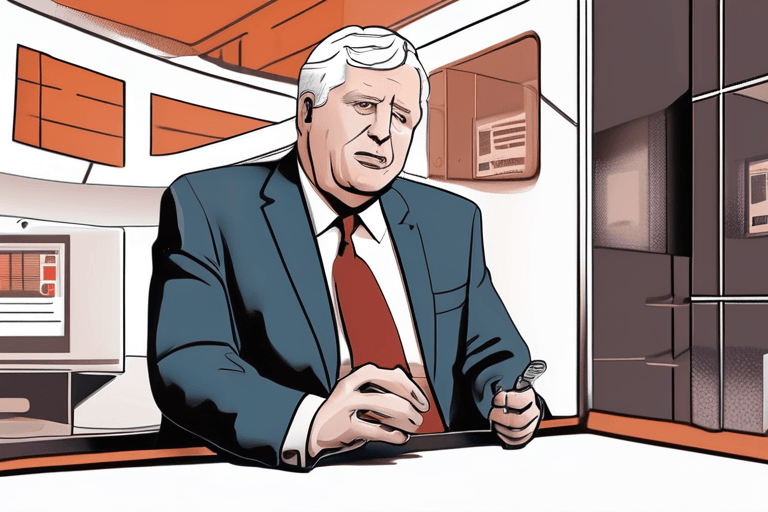
Veteran BBC world affairs editor John Simpson has expressed profound concern about the current global geopolitical landscape, stating that 2025 is unlike any year he has witnessed in his nearly six-decade career covering conflicts worldwide. Simpson, who has reported on more than 40 wars, cited the convergence of multiple major conflicts and the escalating potential for one to trigger unprecedented geopolitical consequences as reasons for his apprehension.
Simpson's assessment comes as Ukraine's President Volodymyr Zelensky warned of the potential for the conflict in his country to escalate into a world war. "After nearly 60 years of observing conflict, I've got a nasty feeling he's right," Simpson stated, highlighting the gravity of the situation.
The international community is on high alert, particularly regarding Russia's actions. NATO governments are reportedly monitoring for any signs of Russia severing undersea cables vital for global electronic communication. Accusations have also surfaced regarding Russian drones testing the defenses of NATO countries, and hackers developing methods to disrupt ministries, emergency services, and large corporations in the West. Western authorities are reportedly certain of Russia's involvement in these activities.
Simpson's career spans the Cold War, during which he witnessed its peak and subsequent dissolution. His extensive experience provides a unique perspective on the current global climate, allowing him to contextualize the present challenges within a broader historical framework. The rise of new global powers, coupled with existing tensions and unresolved conflicts, contributes to the complex and volatile international environment.
The situation remains fluid, with international organizations and individual nations grappling with diplomatic efforts to de-escalate tensions and prevent further escalation. The potential for miscalculation and unintended consequences remains a significant concern, underscoring the need for careful and considered action on the global stage.












Discussion
Join the conversation
Be the first to comment