Bangladesh's garment-making industry, once plagued by environmental and safety concerns, is undergoing a significant transformation towards sustainability. The country now leads the world with 268 LEED-certified garment factories, surpassing all other nations in its commitment to environmentally friendly production. This shift marks a departure from the industry's earlier reputation, marred by tragedies like the 2013 Rana Plaza collapse, which claimed the lives of 1,134 people and injured approximately 2,500.
The move towards greener practices addresses long-standing issues such as the pollution of the Buriganga River, which flows through Dhaka, the capital. The river has historically suffered from the discharge of textile production byproducts, including dyes, chemicals, and heavy metals like lead and cadmium. Now, dye plants are transitioning to safer chemicals, tanneries are implementing cleaner tanning processes and treating wastewater, factories are installing energy-efficient LED lighting, and solar panels are becoming increasingly common on factory rooftops.
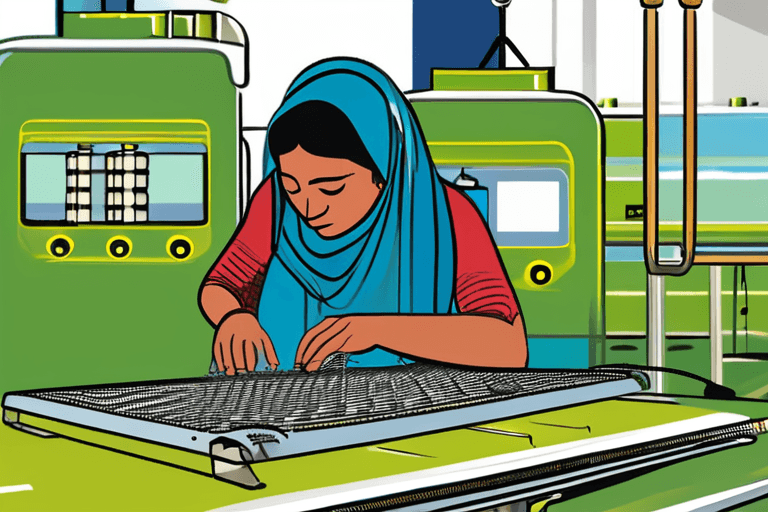
This transformation is driven by a combination of factors, including international pressure, evolving consumer demands, and a growing awareness within Bangladesh of the need for sustainable development. The garment industry is a vital component of the Bangladeshi economy, contributing significantly to the nation's GDP and employing millions of people, primarily women. Its importance makes the transition to sustainable practices crucial for the country's long-term economic and environmental well-being.
The adoption of resource-efficient technologies is enabling factories to reduce waste, conserve water, and enhance their resilience to climate change and global supply chain disruptions. These changes are not only benefiting the environment but also improving working conditions for garment workers and enhancing the industry's competitiveness in the global market.
While challenges remain, the progress made by Bangladesh's garment industry demonstrates the potential for developing nations to embrace sustainable practices and become leaders in environmental stewardship. The ongoing efforts to promote cleaner production methods and responsible business practices are paving the way for a more sustainable and ethical garment industry in Bangladesh.

















Discussion
Join the conversation
Be the first to comment