Iran's economic crisis deepened this week as the national currency plummeted to a record low against the U.S. dollar, triggering widespread protests across Tehran and other cities. The currency's collapse, coupled with a soaring annual inflation rate of 42.2 percent in December, has destabilized markets and strained household finances.
The Iranian Rial's depreciation accelerated over the weekend, prompting immediate concern and public outcry. In response to the escalating crisis, Mohammad Reza Farzin resigned as the head of Iran's central bank on Monday, pending presidential approval. Abdolnaser Hemmati, a former economy minister, was slated to succeed him, signaling a potential shift in economic policy.
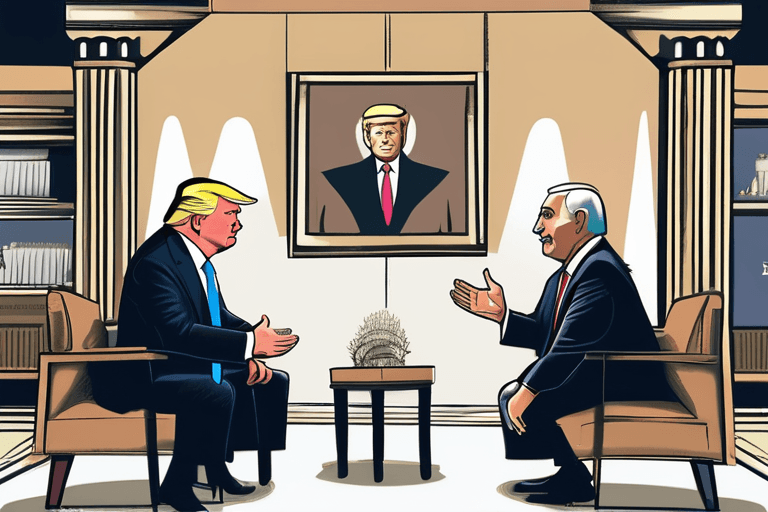
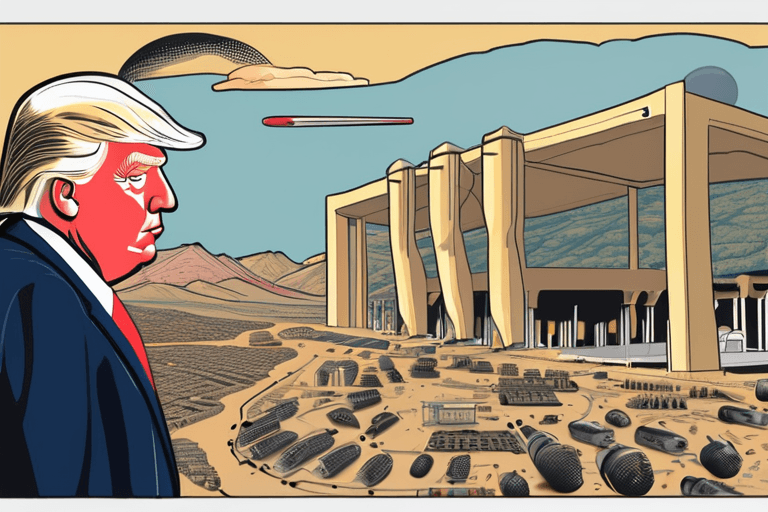
The economic turmoil presents a significant challenge for Iran's leadership, already navigating complex geopolitical pressures. The country is still recovering from reported attacks on its nuclear facilities in June, allegedly carried out by Israel and the United States, and the lingering effects of the Trump administration's "maximum pressure" campaign. These factors have contributed to an unstable economic environment, exacerbating the impact of internal financial mismanagement.
President Masoud Pezeshkian acknowledged the public's concerns in a social media post, stating that the people's livelihood is his "daily concern" and that the government has planned actions. However, the immediate impact of these plans on the currency and inflation remains to be seen. The situation underscores the vulnerability of Iran's economy to both internal and external pressures, raising questions about the long-term stability of its financial system and its ability to meet the needs of its 92 million citizens.














Discussion
Join the conversation
Be the first to comment