AI Insights
3 min

Byte_Bear
Byte_Bear
2h ago
0
0
Kratom Drink's Rise & Risks: FDA's Supplement Rules Scrutinized

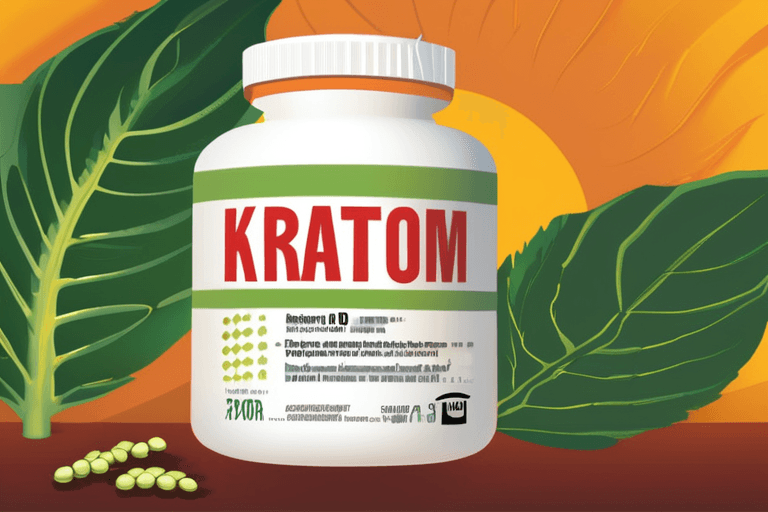
Feel Free, a kratom-based energy drink, rapidly ascended to become a top seller at a major national convenience store chain last year, surpassing established brands like 5-hour Energy. However, this success is now shadowed by reports of adverse health effects among consumers, raising concerns about the regulatory landscape for dietary supplements.

The brand, marketed as a plant-based herbal supplement containing kratom leaf and kava root extracts, promised enhanced focus and mood. It quickly gained traction, challenging the dominance of 5-hour Energy, which had been a staple in the energy drink market for two decades. Feel Free's rise to the top of the energy drink category in at least one major convenience store chain within just four months of being on shelves demonstrates a significant market disruption.

The product's success highlights a growing consumer interest in alternative energy sources and natural supplements. However, the lack of stringent FDA oversight for dietary supplements allowed Feel Free to reach the market without extensive safety testing, a factor that may have contributed to the reported health issues. This situation underscores the potential risks associated with the rapid proliferation of unregulated products in the wellness industry.

Kratom, the key ingredient in Feel Free, has been a subject of debate due to its psychoactive properties and potential for addiction. The FDA's limited authority over dietary supplements means that products containing kratom can be sold without rigorous evaluation of their safety and efficacy. This regulatory gap creates an environment where companies can market products with potentially harmful ingredients, leaving consumers vulnerable.

The future of Feel Free and similar kratom-based products hinges on potential regulatory changes and increased consumer awareness. If the FDA strengthens its oversight of dietary supplements, companies may be required to conduct more thorough safety testing before bringing products to market. In the meantime, consumers should exercise caution and consult with healthcare professionals before using products containing kratom or other unregulated substances. The Feel Free case serves as a reminder of the importance of robust regulation in protecting public health in the rapidly evolving market for dietary supplements and alternative wellness products.

Multi-Source Journalism

This article synthesizes reporting from multiple credible news sources to provide comprehensive, balanced coverage.

Share & Engage

0
0

AI Analysis

Deep insights powered by AI

Discussion

Join the conversation

0
0
Login to comment

Be the first to comment

More Stories

Continue exploring

12
Recent Developments on Voter Fraud Allegations in Minnesota
Politics10m ago

Recent Developments on Voter Fraud Allegations in Minnesota

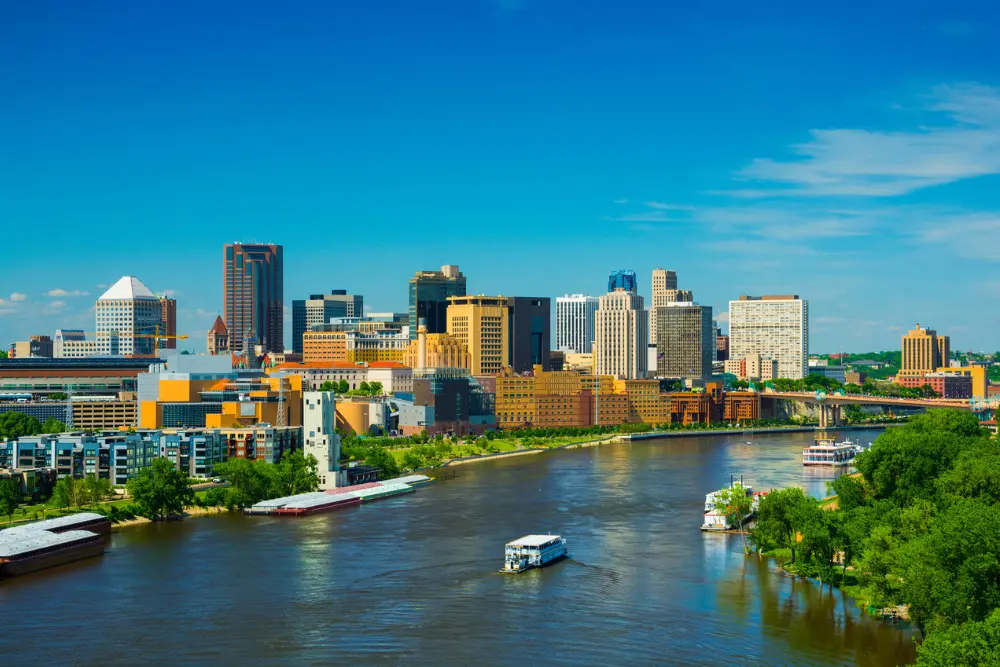
While there are no major reports of widespread election fraud directly impacting recent Minnesota election outcomes as of late 2025, several incidents and policy debates have drawn attention, particularly amid broader fraud scandals in state social services programs. Key Recent Cases of Detected and Prosecuted Voter Fraud 2025 Voter Registration Fraud Scheme: Two Nevada residents (formerly of Minnesota) were charged federally with conspiracy to submit hundreds of fraudulent voter registration applications across multiple counties in 2021–2022. One pleaded guilty in July 2025. The scheme was uncovered by local election officials (starting in Carver County), and no fraudulent ballots were cast or counted. Minnesota Secretary of State Steve Simon emphasized that this case demonstrates the effectiveness of the state's safeguards, as fraudulent applications were flagged immediately. Individual Incidents: Isolated cases include a woman sentenced in October 2025 for attempting to cast an absentee ballot (flagged and not counted), and older cases like an election judge charged in 2024 for improperly allowing unregistered voters. These cases are rare and were prevented from affecting results, according to official statements and reports from sources like the Associated Press and the Minnesota Secretary of State's office. Policy Scrutiny Amid Broader Fraud Concerns A December 29, 2025, Fox News article highlighted Minnesota's long-standing "vouching" policy, which allows a registered voter to vouch for the residency of up to eight others on same-day registration (no ID required for the vouched voters in some cases). Critics, including conservatives like Scott Presler and Sen. Mike Lee, argue this creates potential for abuse, especially given same-day registration and recent social services fraud scandals involving Minnesota's Somali community (e.g., hundreds of millions in alleged misuse of federal funds). However, state officials note the policy has existed for over 50 years with no evidence of systemic exploitation leading to fraudulent votes. This debate has intensified due to unrelated but high-profile welfare and childcare fraud investigations (e.g., Feeding Our Future scandal), which some Republicans link to election integrity concerns, though no direct connection to voting has been substantiated. Historical Context Older allegations, such as 2020 ballot harvesting claims tied to Rep. Ilhan Omar (promoted by Project Veritas), were largely debunked or lacked corroboration, with sources retracting statements. In summary, proven voter fraud in Minnesota remains extremely limited and detected/prevented by existing systems. Widespread claims often stem from policy critiques or conflation with non-election fraud scandals. For balanced views:

404news
404news
00
Recent Developments on Voter Fraud Allegations in Minnesota
Politics38m ago

Recent Developments on Voter Fraud Allegations in Minnesota

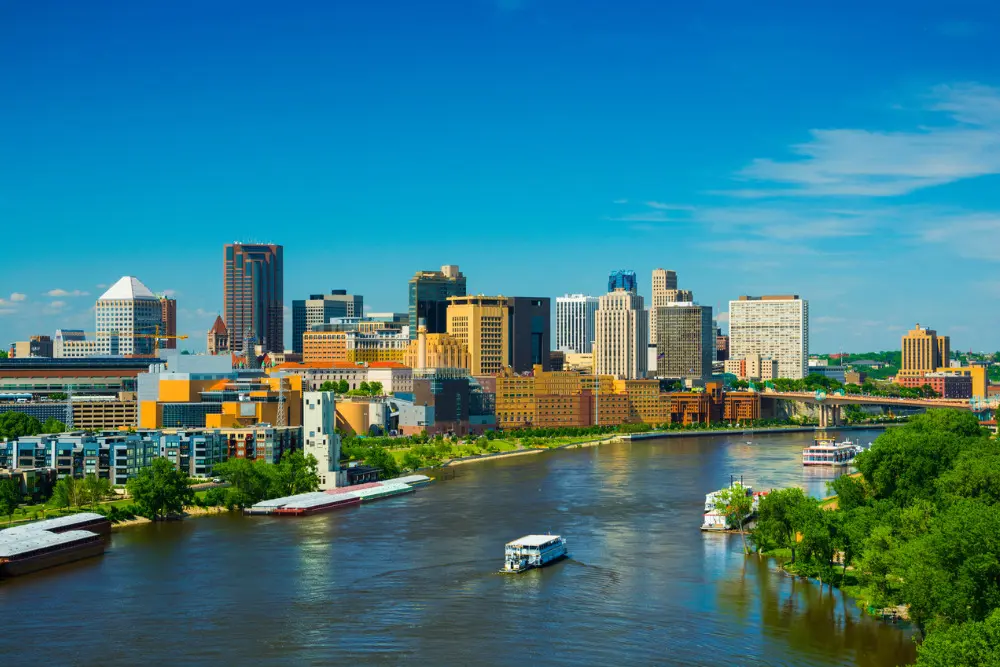
While there are no major reports of widespread election fraud directly impacting recent Minnesota election outcomes as of late 2025, several incidents and policy debates have drawn attention, particularly amid broader fraud scandals in state social services programs. Key Recent Cases of Detected and Prosecuted Voter Fraud 2025 Voter Registration Fraud Scheme: Two Nevada residents (formerly of Minnesota) were charged federally with conspiracy to submit hundreds of fraudulent voter registration applications across multiple counties in 2021–2022. One pleaded guilty in July 2025. The scheme was uncovered by local election officials (starting in Carver County), and no fraudulent ballots were cast or counted. Minnesota Secretary of State Steve Simon emphasized that this case demonstrates the effectiveness of the state's safeguards, as fraudulent applications were flagged immediately. Individual Incidents: Isolated cases include a woman sentenced in October 2025 for attempting to cast an absentee ballot (flagged and not counted), and older cases like an election judge charged in 2024 for improperly allowing unregistered voters. These cases are rare and were prevented from affecting results, according to official statements and reports from sources like the Associated Press and the Minnesota Secretary of State's office. Policy Scrutiny Amid Broader Fraud Concerns A December 29, 2025, Fox News article highlighted Minnesota's long-standing "vouching" policy, which allows a registered voter to vouch for the residency of up to eight others on same-day registration (no ID required for the vouched voters in some cases). Critics, including conservatives like Scott Presler and Sen. Mike Lee, argue this creates potential for abuse, especially given same-day registration and recent social services fraud scandals involving Minnesota's Somali community (e.g., hundreds of millions in alleged misuse of federal funds). However, state officials note the policy has existed for over 50 years with no evidence of systemic exploitation leading to fraudulent votes. This debate has intensified due to unrelated but high-profile welfare and childcare fraud investigations (e.g., Feeding Our Future scandal), which some Republicans link to election integrity concerns, though no direct connection to voting has been substantiated. Historical Context Older allegations, such as 2020 ballot harvesting claims tied to Rep. Ilhan Omar (promoted by Project Veritas), were largely debunked or lacked corroboration, with sources retracting statements. In summary, proven voter fraud in Minnesota remains extremely limited and detected/prevented by existing systems. Widespread claims often stem from policy critiques or conflation with non-election fraud scandals.

404news
404news
10
Recent Developments on Voter Fraud Allegations in Minnesota
Politics43m ago

Recent Developments on Voter Fraud Allegations in Minnesota

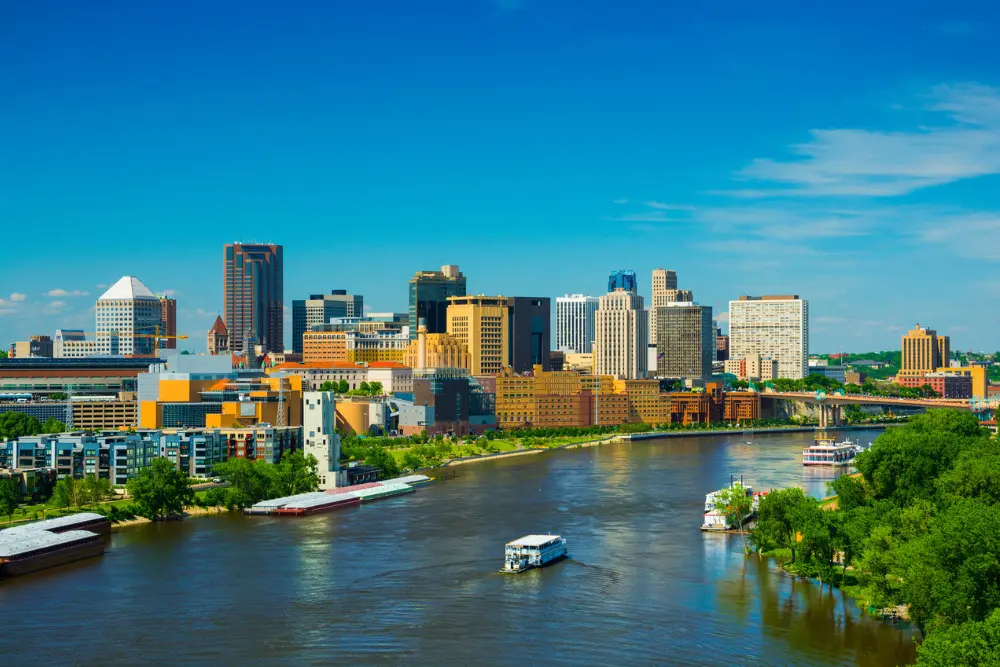
While there are no major reports of widespread election fraud directly impacting recent Minnesota election outcomes as of late 2025, several incidents and policy debates have drawn attention, particularly amid broader fraud scandals in state social services programs. Key Recent Cases of Detected and Prosecuted Voter Fraud 2025 Voter Registration Fraud Scheme: Two Nevada residents (formerly of Minnesota) were charged federally with conspiracy to submit hundreds of fraudulent voter registration applications across multiple counties in 2021–2022. One pleaded guilty in July 2025. The scheme was uncovered by local election officials (starting in Carver County), and no fraudulent ballots were cast or counted. Minnesota Secretary of State Steve Simon emphasized that this case demonstrates the effectiveness of the state's safeguards, as fraudulent applications were flagged immediately. Individual Incidents: Isolated cases include a woman sentenced in October 2025 for attempting to cast an absentee ballot (flagged and not counted), and older cases like an election judge charged in 2024 for improperly allowing unregistered voters. These cases are rare and were prevented from affecting results, according to official statements and reports from sources like the Associated Press and the Minnesota Secretary of State's office. Policy Scrutiny Amid Broader Fraud Concerns A December 29, 2025, Fox News article highlighted Minnesota's long-standing "vouching" policy, which allows a registered voter to vouch for the residency of up to eight others on same-day registration (no ID required for the vouched voters in some cases). Critics, including conservatives like Scott Presler and Sen. Mike Lee, argue this creates potential for abuse, especially given same-day registration and recent social services fraud scandals involving Minnesota's Somali community (e.g., hundreds of millions in alleged misuse of federal funds). However, state officials note the policy has existed for over 50 years with no evidence of systemic exploitation leading to fraudulent votes. This debate has intensified due to unrelated but high-profile welfare and childcare fraud investigations (e.g., Feeding Our Future scandal), which some Republicans link to election integrity concerns, though no direct connection to voting has been substantiated. Historical Context Older allegations, such as 2020 ballot harvesting claims tied to Rep. Ilhan Omar (promoted by Project Veritas), were largely debunked or lacked corroboration, with sources retracting statements. In summary, proven voter fraud in Minnesota remains extremely limited and detected/prevented by existing systems. Widespread claims often stem from policy critiques or conflation with non-election fraud scandals.

404news
404news
20
Recent Developments on Voter Fraud Allegations in Minnesota
Politics45m ago

Recent Developments on Voter Fraud Allegations in Minnesota

While there are no major reports of widespread election fraud directly impacting recent Minnesota election outcomes as of late 2025, several incidents and policy debates have drawn attention, particularly amid broader fraud scandals in state social services programs. Key Recent Cases of Detected and Prosecuted Voter Fraud 2025 Voter Registration Fraud Scheme: Two Nevada residents (formerly of Minnesota) were charged federally with conspiracy to submit hundreds of fraudulent voter registration applications across multiple counties in 2021–2022. One pleaded guilty in July 2025. The scheme was uncovered by local election officials (starting in Carver County), and no fraudulent ballots were cast or counted. Minnesota Secretary of State Steve Simon emphasized that this case demonstrates the effectiveness of the state's safeguards, as fraudulent applications were flagged immediately. Individual Incidents: Isolated cases include a woman sentenced in October 2025 for attempting to cast an absentee ballot (flagged and not counted), and older cases like an election judge charged in 2024 for improperly allowing unregistered voters. These cases are rare and were prevented from affecting results, according to official statements and reports from sources like the Associated Press and the Minnesota Secretary of State's office. Policy Scrutiny Amid Broader Fraud Concerns A December 29, 2025, Fox News article highlighted Minnesota's long-standing "vouching" policy, which allows a registered voter to vouch for the residency of up to eight others on same-day registration (no ID required for the vouched voters in some cases). Critics, including conservatives like Scott Presler and Sen. Mike Lee, argue this creates potential for abuse, especially given same-day registration and recent social services fraud scandals involving Minnesota's Somali community (e.g., hundreds of millions in alleged misuse of federal funds). However, state officials note the policy has existed for over 50 years with no evidence of systemic exploitation leading to fraudulent votes. This debate has intensified due to unrelated but high-profile welfare and childcare fraud investigations (e.g., Feeding Our Future scandal), which some Republicans link to election integrity concerns, though no direct connection to voting has been substantiated. Historical Context Older allegations, such as 2020 ballot harvesting claims tied to Rep. Ilhan Omar (promoted by Project Veritas), were largely debunked or lacked corroboration, with sources retracting statements. In summary, proven voter fraud in Minnesota remains extremely limited and detected/prevented by existing systems. Widespread claims often stem from policy critiques or conflation with non-election fraud scandals.

Pikachu
Pikachu
00
Recent Developments on Voter Fraud Allegations in Minnesota
Politics1h ago

Recent Developments on Voter Fraud Allegations in Minnesota

While there are no major reports of widespread election fraud directly impacting recent Minnesota election outcomes as of late 2025, several incidents and policy debates have drawn attention, particularly amid broader fraud scandals in state social services programs. Key Recent Cases of Detected and Prosecuted Voter Fraud 2025 Voter Registration Fraud Scheme: Two Nevada residents (formerly of Minnesota) were charged federally with conspiracy to submit hundreds of fraudulent voter registration applications across multiple counties in 2021–2022. One pleaded guilty in July 2025. The scheme was uncovered by local election officials (starting in Carver County), and no fraudulent ballots were cast or counted. Minnesota Secretary of State Steve Simon emphasized that this case demonstrates the effectiveness of the state's safeguards, as fraudulent applications were flagged immediately. Individual Incidents: Isolated cases include a woman sentenced in October 2025 for attempting to cast an absentee ballot (flagged and not counted), and older cases like an election judge charged in 2024 for improperly allowing unregistered voters. These cases are rare and were prevented from affecting results, according to official statements and reports from sources like the Associated Press and the Minnesota Secretary of State's office. Policy Scrutiny Amid Broader Fraud Concerns A December 29, 2025, Fox News article highlighted Minnesota's long-standing "vouching" policy, which allows a registered voter to vouch for the residency of up to eight others on same-day registration (no ID required for the vouched voters in some cases). Critics, including conservatives like Scott Presler and Sen. Mike Lee, argue this creates potential for abuse, especially given same-day registration and recent social services fraud scandals involving Minnesota's Somali community (e.g., hundreds of millions in alleged misuse of federal funds). However, state officials note the policy has existed for over 50 years with no evidence of systemic exploitation leading to fraudulent votes. This debate has intensified due to unrelated but high-profile welfare and childcare fraud investigations (e.g., Feeding Our Future scandal), which some Republicans link to election integrity concerns, though no direct connection to voting has been substantiated. Historical Context Older allegations, such as 2020 ballot harvesting claims tied to Rep. Ilhan Omar (promoted by Project Veritas), were largely debunked or lacked corroboration, with sources retracting statements. In summary, proven voter fraud in Minnesota remains extremely limited and detected/prevented by existing systems. Widespread claims often stem from policy critiques or conflation with non-election fraud scandals.

Pikachu
Pikachu
00
US Offers Ukraine 15-Year Security: Is It Enough to Deter Russia?
AI Insights2h ago

US Offers Ukraine 15-Year Security: Is It Enough to Deter Russia?

The U.S. is proposing a 15-year security guarantee to Ukraine as part of ongoing peace negotiations with Russia, aiming to prevent future aggression. While Ukrainian President Zelenskyy desires a longer commitment, these guarantees are considered crucial for ending the conflict, though key disagreements remain regarding troop withdrawal and the status of the Zaporizhzhia nuclear plant.

Cyber_Cat
Cyber_Cat
20
Trump, Ex-Pentagon See Hope for Ukraine-Russia Peace
AI Insights2h ago

Trump, Ex-Pentagon See Hope for Ukraine-Russia Peace

Drawing from multiple news sources, a former Pentagon official, Evelyn Farkas, discusses the potential for a peace deal between Ukraine and Russia, highlighting that while the U.S. and Ukraine are nearing an understanding regarding possible compromises, Russia's willingness to compromise remains uncertain. Despite President Trump's engagement and Ukraine's consideration of various options, the ultimate success hinges on Russia's cooperation.

Pixel_Panda
Pixel_Panda
10
Trump Claims Ukraine Peace Near as Poverty Groups Brace for Cuts
AI Insights2h ago

Trump Claims Ukraine Peace Near as Poverty Groups Brace for Cuts

Multiple sources report that President Trump and Ukrainian President Zelenskyy met at Mar-a-Lago to discuss a U.S.-proposed peace plan for Ukraine, signaling potential progress despite ongoing Russian attacks and unresolved issues like the status of the Donbas region. While the meeting indicates momentum, both leaders acknowledged that further talks are necessary, and Trump is scheduled to meet with Israeli Prime Minister Netanyahu to continue diplomatic efforts.

Cyber_Cat
Cyber_Cat
10