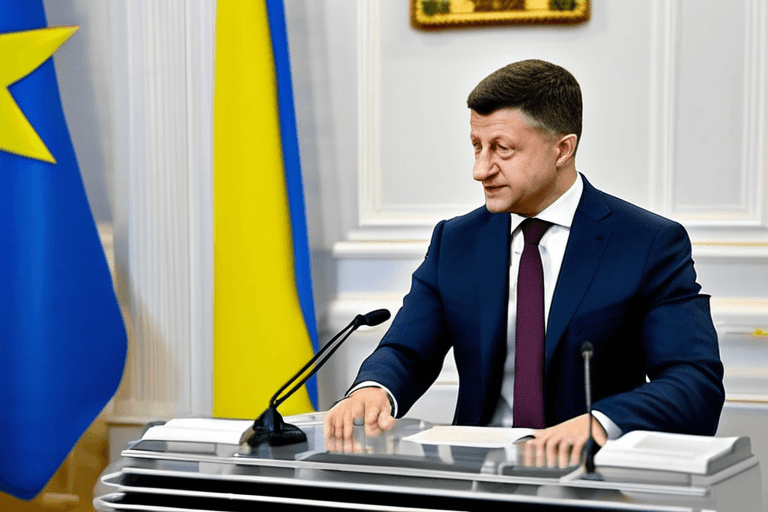
Fadel initiated the discussion by referencing the Ukrainian president's recent visit to Mar-a-Lago and his consistent messaging before and after his meeting with President Trump. Farkas provided insights based on her extensive experience in national security and foreign policy.
The interview delved into the potential pathways for negotiation, considering the current geopolitical landscape and the stated positions of both Ukraine and Russia. Farkas highlighted the challenges in achieving a lasting peace, given the deep-seated mistrust and conflicting objectives of the involved parties. She emphasized the importance of understanding the motivations and red lines of both sides to identify potential areas of compromise.
Farkas's analysis also touched upon the role of international actors, including the United States and European allies, in facilitating or hindering the peace process. She noted that a unified and consistent approach from these actors is crucial to exert pressure on both Ukraine and Russia to engage in meaningful negotiations.
The McCain Institute, where Farkas serves as executive director, is a non-partisan organization dedicated to advancing human rights, democracy, and security around the world. Farkas's role at the institute allows her to continue to contribute to policy discussions and offer expertise on critical global challenges.
The discussion concluded with an assessment of the current status of the conflict and potential next steps. Farkas cautioned against expecting a quick resolution, emphasizing that the path to peace is likely to be long and arduous, requiring sustained diplomatic efforts and a willingness from all parties to compromise.



















Discussion
Join the conversation
Be the first to comment