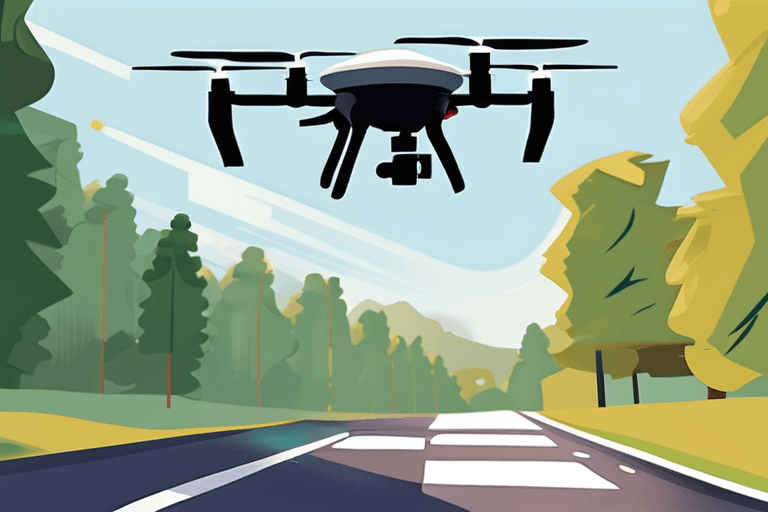
New drone users in the United Kingdom are now required to pass a theory test before being permitted to fly drones outdoors, a regulation implemented to enhance safety and ensure compliance with aviation laws. The new rule, which took effect recently, mandates that individuals operating drones weighing 250 grams or more must demonstrate an understanding of airspace regulations, drone safety protocols, and operational best practices.
The Civil Aviation Authority (CAA), the UK's aviation regulator, introduced the theory test as part of a broader effort to integrate drones safely into the national airspace. According to a CAA spokesperson, the test is designed to "ensure that drone users have a foundational knowledge of the rules and regulations governing drone operations, thereby minimizing the risk of accidents and airspace infringements."
The theory test is administered online and covers a range of topics, including airspace classifications, flight restrictions, emergency procedures, and privacy considerations. Aspiring drone pilots must achieve a passing score to obtain a Flyer ID, which is required for legal drone operation in the UK.
Industry experts believe the new regulation will have a significant impact on the burgeoning drone market. "While the theory test may present an initial hurdle for new users, it ultimately benefits the industry by promoting responsible drone operation and fostering public trust," said David Brown, CEO of DroneTech Solutions, a leading drone manufacturer. Brown added that the regulation could also drive innovation in drone technology, as manufacturers seek to develop drones that are easier to operate and comply with safety regulations.
The regulation applies to a wide range of drones, including popular models such as the DJI Mavic series and the Parrot Anafi. These drones, commonly used for recreational and commercial purposes, fall within the weight category requiring a Flyer ID and successful completion of the theory test.
Some drone enthusiasts have expressed concerns about the added complexity of drone operation. "While I understand the need for safety regulations, the theory test adds another layer of bureaucracy to an already complex process," said Sarah Jones, a drone hobbyist. However, the CAA maintains that the test is necessary to ensure the safety of both drone operators and the public.
The CAA is providing resources and support to help drone users prepare for the theory test, including online study guides and practice tests. The regulator is also working with drone training providers to offer comprehensive courses that cover all aspects of drone operation, from basic flight skills to advanced aerial techniques.
Looking ahead, the CAA plans to continue to refine its drone regulations based on emerging technologies and operational experiences. The regulator is also exploring the possibility of introducing practical flight assessments for certain types of drone operations, such as commercial drone services. The current status is that the theory test is mandatory for new users, and the CAA is actively monitoring compliance and enforcing the regulations.


















Discussion
Join the conversation
Be the first to comment