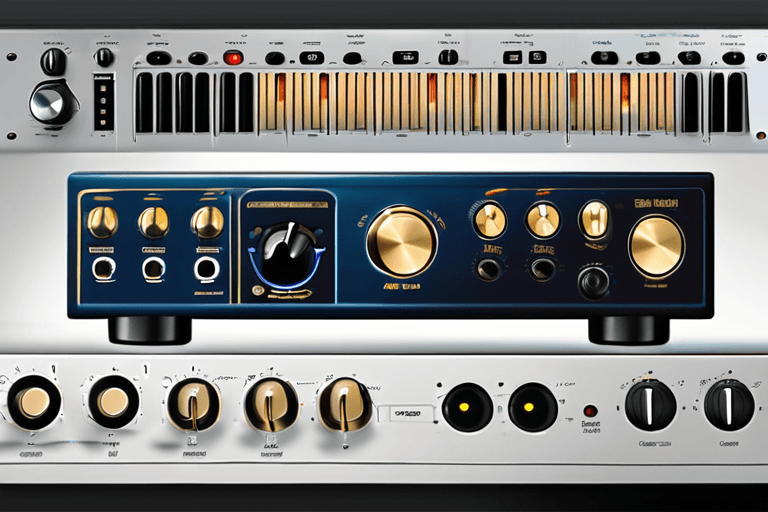
A preamplifier, often referred to as a preamp, prepares an audio signal for amplification and subsequent output through speakers. This component handles essential pre-amplification tasks, ensuring the signal from a music source is properly conditioned before it reaches the main amplifier and ultimately the speakers, according to audio experts.
In traditional hi-fi systems, loudspeakers are passive, meaning they require an external amplifier to power them. The preamp sits between the audio source and the amplifier, managing the signal before it's boosted to a level suitable for driving the speakers. Even in modern, self-contained audio systems like the Sonos Era 100, amplification is necessary, though it occurs within a single unit rather than separate components.
The primary role of a preamp is to process the audio signal before it's amplified. This involves several key functions, including impedance matching, signal boosting, and signal conditioning. Impedance matching ensures that the audio source and amplifier are compatible, preventing signal loss or distortion. Signal boosting increases the voltage of the audio signal to a level that the amplifier can effectively work with. Signal conditioning involves filtering out unwanted noise and distortion, optimizing the signal for the best possible sound quality.
Whether or not a preamp is necessary depends on the specific audio setup. In systems with low-output sources or long cable runs, a preamp can significantly improve signal quality and overall performance. However, in systems with high-output sources and short cable runs, the benefits of a preamp may be less noticeable. Many modern amplifiers have built-in preamplification stages, eliminating the need for a separate preamp in some cases.
















Discussion
Join the conversation
Be the first to comment