The increasing demand for accessible and affordable mental health services has led millions to seek therapy from artificial intelligence chatbots and specialized psychology apps. According to the World Health Organization, over a billion people globally experience a mental health condition, and the prevalence of anxiety and depression is rising, especially among young people. This surge in mental health needs has prompted individuals to explore AI-driven solutions like OpenAI's ChatGPT, Anthropic's Claude, and apps such as Wysa and Woebot.
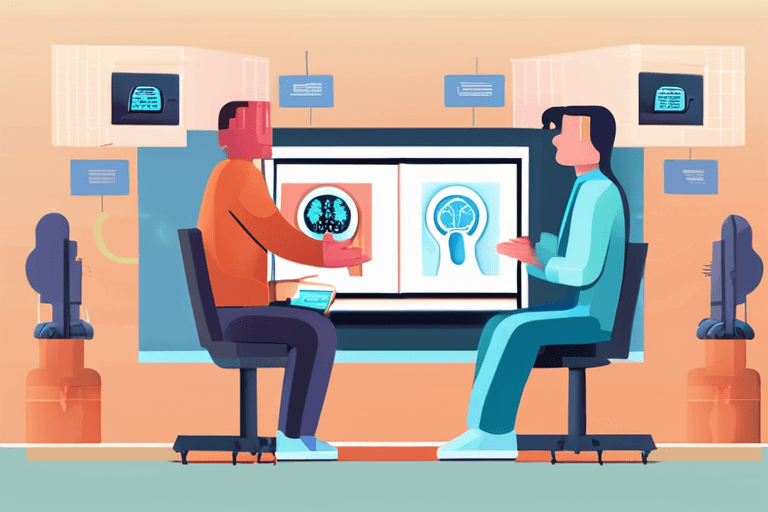
These AI therapists utilize large language models (LLMs), a type of AI that can understand and generate human-like text. LLMs are trained on vast amounts of data, enabling them to engage in conversations, offer support, and provide mental health guidance. Researchers are also investigating AI's potential to monitor behavioral and biometric data through wearables and smart devices, analyze clinical data for insights, and assist mental health professionals in preventing burnout.
However, the integration of AI in mental health remains an evolving field with mixed outcomes. While some users report finding comfort and support from AI chatbots, others express concerns about the limitations and potential risks. Experts are divided on the efficacy of AI as a substitute for human therapists, with some seeing promise and others cautioning against over-reliance on unproven technologies.
The use of AI in mental health raises several ethical and practical considerations. Data privacy is a significant concern, as AI systems collect and analyze sensitive personal information. Bias in algorithms is another issue, as LLMs can perpetuate existing societal biases if not carefully trained and monitored. The lack of human empathy and emotional intelligence in AI can also limit its ability to provide comprehensive mental health support.
Despite these challenges, the field of AI therapy continues to advance. Researchers are working on developing more sophisticated AI models that can better understand and respond to human emotions. Efforts are also underway to establish ethical guidelines and regulatory frameworks for the use of AI in mental health. The future of AI therapy will likely involve a combination of AI-powered tools and human expertise, with AI serving as a support system for mental health professionals and a resource for individuals seeking accessible and affordable care.

















Discussion
Join the conversation
Be the first to comment