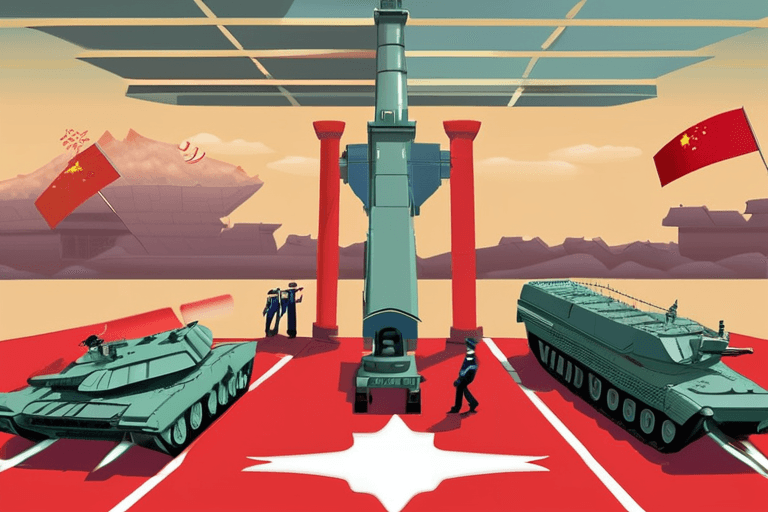
China conducted extensive military drills encircling Taiwan on Tuesday, showcasing its capacity to impose a complete blockade of the island. The exercises involved a wide array of military assets, simulating attacks on key Taiwanese targets and testing the effectiveness of China's blockade strategies.
These drills, according to Chinese state media, were a direct response to what Beijing perceives as escalating provocations from Taiwan and its allies, particularly the United States. China views Taiwan as a breakaway province and has repeatedly stated its intention to reunify the island with the mainland, by force if necessary. The military exercises served as a stark reminder of this position.
"The drills are a serious warning to separatist forces seeking Taiwan's independence," stated a spokesperson for the Chinese Ministry of Defense in a released statement. "China has the resolve and the capability to safeguard its national sovereignty and territorial integrity."
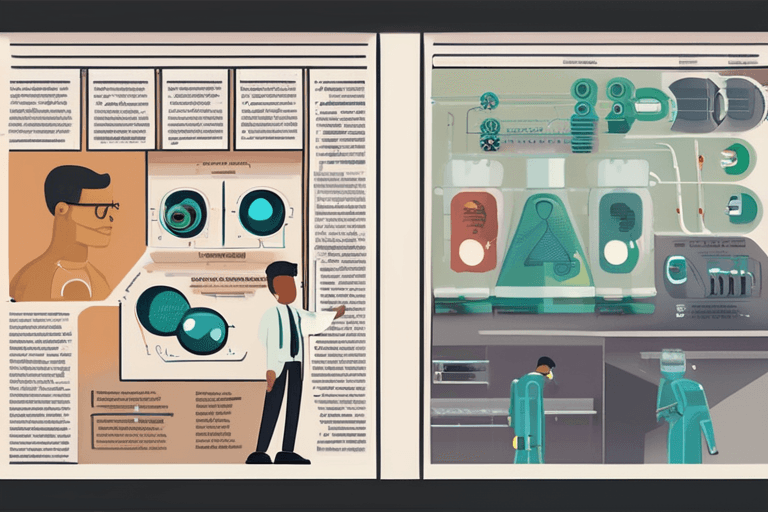
Military analysts observed that the drills incorporated advanced technologies, including AI-powered simulations and autonomous drones, to enhance the precision and efficiency of the exercises. The use of AI in military training and operations is a growing trend globally, enabling armed forces to analyze vast amounts of data, optimize strategies, and improve decision-making in real-time. This development raises concerns about the potential for algorithmic bias and the ethical implications of delegating lethal decisions to machines.
The exercises prompted strong condemnation from Taiwan and its allies. Taiwan's Ministry of Foreign Affairs denounced the drills as "irresponsible and provocative," asserting that they undermined regional peace and stability. The United States reiterated its commitment to supporting Taiwan's self-defense capabilities, while urging China to exercise restraint and engage in peaceful dialogue.
The situation remains tense, with the potential for miscalculation and escalation. The international community is closely monitoring developments, recognizing the significant implications for regional security and the global balance of power. Further military exercises or assertive actions by either side could heighten the risk of conflict. Diplomatic efforts are underway to de-escalate tensions and promote a peaceful resolution to the Taiwan issue. The next steps will likely involve increased diplomatic engagement between China, Taiwan, and the United States, as well as continued military posturing and monitoring of the situation by all parties involved.

















Discussion
Join the conversation
Be the first to comment