Investment in precision psychiatry is poised for a significant boost following the discovery of distinct electrical signatures for schizophrenia and bipolar disorder in lab-grown mini-brains. This breakthrough, announced by Johns Hopkins University researchers, promises to revolutionize diagnostics and drug development, potentially saving billions in wasted treatment costs.
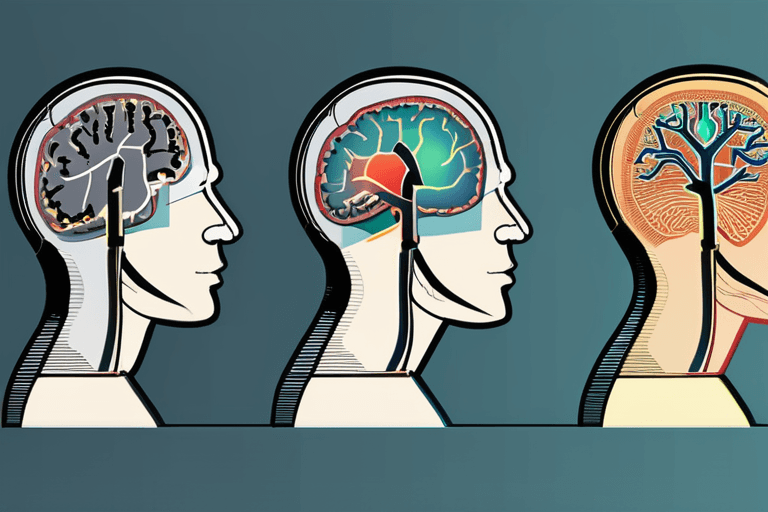
The research revealed that these mini-brains, grown from patient cells, exhibited unique electrical firing patterns specific to each condition. In tests, these patterns allowed researchers to identify schizophrenia and bipolar disorder with a high degree of accuracy. While specific financial figures were not disclosed in the initial report, the implications for pharmaceutical companies and diagnostic firms are substantial. The current market for schizophrenia and bipolar disorder treatments is estimated at over $20 billion annually, with a significant portion wasted on ineffective medications due to the current trial-and-error approach. This new technology could drastically reduce those costs.
The development is expected to have a ripple effect across the healthcare sector. Diagnostic companies could develop new, more accurate screening tools, while pharmaceutical firms could use the mini-brains to test the efficacy of new drugs on a personalized basis. This would significantly shorten drug development timelines and increase the likelihood of successful clinical trials, representing a potential multi-billion dollar opportunity. The ability to predict drug response in advance could also lead to a shift in how insurance companies reimburse for mental health treatments, potentially favoring those that utilize precision medicine approaches.
Johns Hopkins University, a leading research institution, has been at the forefront of organoid research. Their work builds upon years of advancements in stem cell technology and bioengineering. The creation of these mini-brains represents a significant step forward, offering a more physiologically relevant model for studying complex neurological disorders than traditional cell cultures or animal models.
Looking ahead, the researchers plan to refine their techniques and expand the range of disorders that can be modeled using mini-brains. The ultimate goal is to create a platform for personalized medicine in psychiatry, where treatment decisions are guided by the unique biological characteristics of each patient. This could lead to a future where mental health care is more effective, efficient, and tailored to the individual, representing a paradigm shift in the treatment of these debilitating conditions and a significant market opportunity for companies that embrace this innovative approach.

















Discussion
Join the conversation
Be the first to comment