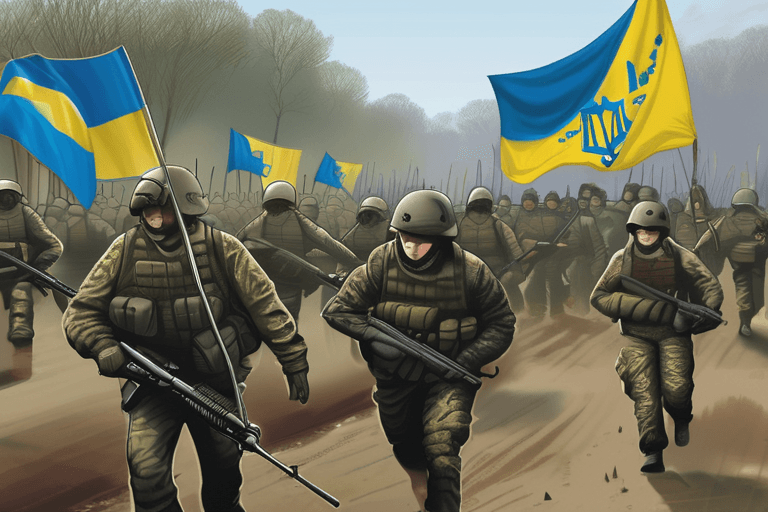
Russian losses in the war with Ukraine have accelerated over the past 10 months, marking the most rapid increase since the full-scale invasion began in 2022, according to a BBC analysis. This surge in casualties coincides with intensified peace efforts in 2025, spurred by pressure from the administration of U.S. President Donald Trump.
The BBC, in collaboration with independent outlet Mediazona and a team of volunteers, has been tracking Russian war losses since February 2022. Their methodology involves compiling a list of named individuals whose deaths are confirmed through official reports, newspapers, social media, and visual confirmations like memorials and graves. As of now, the team has verified the names of nearly 160,000 individuals killed while fighting for Russia in Ukraine.
Olga Ivshina of BBC News Russian noted that the number of obituaries of soldiers published in Russian sources increased by 40 compared to the previous year, indicating a significant uptick in reported deaths.
While the confirmed figure is substantial, experts believe the actual death toll is considerably higher. The BBC's analysis, which incorporates data from cemeteries, war memorials, and obituaries, is considered a conservative estimate. The difficulty in obtaining accurate information from the conflict zone and the potential for underreporting contribute to the discrepancy between confirmed and estimated figures.
The rise in Russian losses occurs against a backdrop of evolving military strategies and international diplomatic pressure. The United States' push for a peace deal reflects a broader international effort to de-escalate the conflict and find a resolution. However, the increased casualty rate suggests that fighting remains intense, even as diplomatic efforts continue.
The ongoing conflict and its associated human cost have significant implications for both Russia and Ukraine. The loss of life impacts families and communities, while the economic strain of war affects national resources and development. The conflict also has broader geopolitical ramifications, influencing international relations and security dynamics. The situation remains fluid, with continued monitoring of casualties and diplomatic developments crucial for understanding the trajectory of the war.


















Discussion
Join the conversation
Be the first to comment