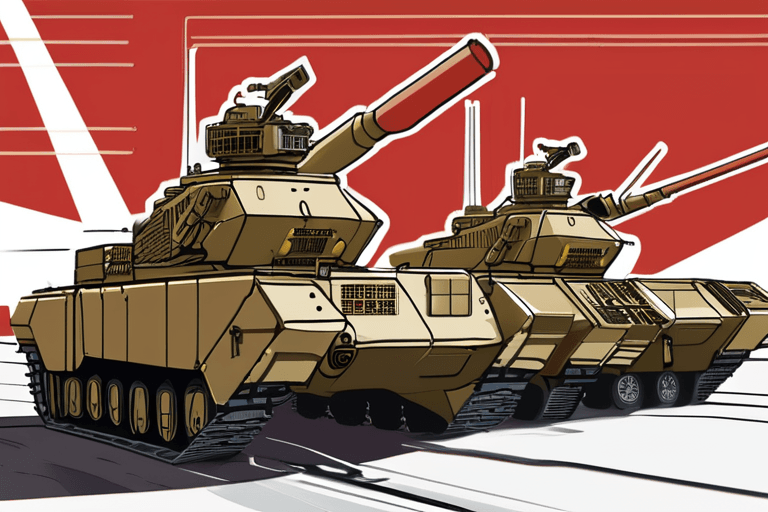
The PLA's Eastern Theater Command deployed destroyers, frigates, fighters, and bombers to the waters surrounding Taiwan, focusing on testing the military's ability to coordinate naval and aerial assets to effectively blockade the island. Ground forces conducted long-range, live-fire drills in the waters north of Taiwan. Simultaneously, simulated long-range, joint strikes involving air, naval, and missile units were carried out in the waters south of Taiwan, according to a statement from the Eastern Theater Command. The command spokesperson stated the exercises achieved their intended objectives of testing joint operational capabilities.
These military drills occur against a backdrop of increasing tensions between China and Taiwan. Beijing views Taiwan as a breakaway province that must eventually be reunified with the mainland, by force if necessary. Taiwan, however, maintains that it is an independent, self-governed entity. The United States, while maintaining a policy of "strategic ambiguity," has pledged to help Taiwan defend itself against potential Chinese aggression.
The use of artificial intelligence (AI) in military simulations and strategic planning is becoming increasingly prevalent. AI algorithms can analyze vast amounts of data to identify vulnerabilities, predict enemy movements, and optimize resource allocation. In the context of these drills, AI could be used to simulate different blockade scenarios, assess the effectiveness of various military tactics, and identify potential weaknesses in Taiwan's defenses. The PLA is actively investing in AI-powered military technologies, including autonomous weapons systems and intelligent command and control platforms.
The implications of these developments are significant. The increasing reliance on AI in military operations raises concerns about the potential for unintended consequences, such as algorithmic bias and escalation risks. Experts warn that AI-driven decision-making could lead to miscalculations and accidental conflicts. The development of autonomous weapons systems also raises ethical questions about accountability and the potential for machines to make life-or-death decisions without human intervention.
The Taiwanese government condemned the drills as provocative and destabilizing, reiterating its commitment to maintaining peace and stability in the region. Taiwan's Ministry of National Defense stated it was closely monitoring the situation and would take all necessary measures to safeguard the island's security. The United States has urged China to exercise restraint and refrain from actions that could escalate tensions in the Taiwan Strait. The situation remains tense, with the potential for further military exercises and diplomatic maneuvering in the coming weeks.

















Discussion
Join the conversation
Be the first to comment