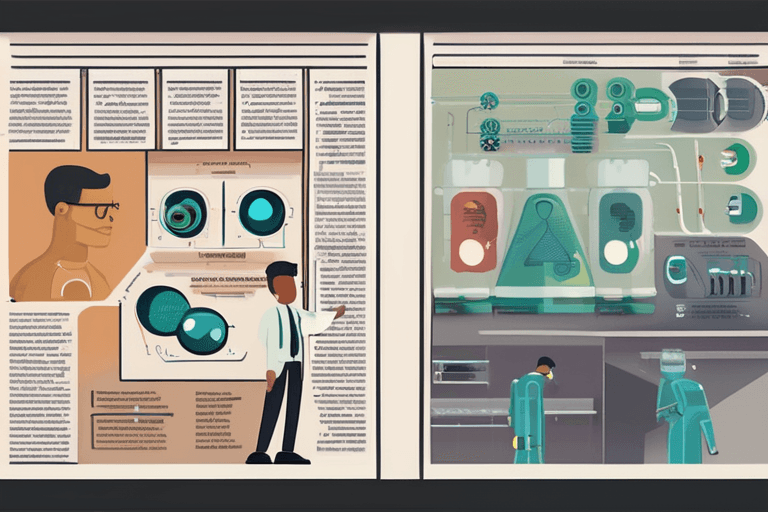
By 2050, superintelligent artificial intelligence is likely to conduct the majority of scientific research, according to futurologist Nick Bostrom. Bostrom stated in an email that human researchers may still engage in scientific pursuits as a hobby, but their contributions would likely be insignificant.
The prediction comes as Nature magazine reflects on its 150-year history of forecasting scientific advancements. Throughout its history, Nature has published supplements dedicated to scientific predictions, including a bold claim made by then-editor Philip Campbell at the turn of the 21st century. Campbell predicted that life based on something other than DNA would be discovered by 2100, a statement he later described as "foolish."
The increasing sophistication of AI and machine learning algorithms has led to speculation about their potential to automate and accelerate scientific discovery. Superintelligent AI, exceeding human cognitive abilities, could analyze vast datasets, identify patterns, and generate hypotheses at a rate far surpassing human capabilities. This could revolutionize fields like drug discovery, materials science, and fundamental physics.
While the prospect of AI-driven research raises concerns about the role of human scientists, it also presents opportunities for collaboration and innovation. Human researchers could focus on formulating research questions, interpreting AI-generated results, and addressing the ethical implications of new technologies. The shift could also lead to new educational models that emphasize critical thinking, creativity, and interdisciplinary collaboration.
The development of superintelligent AI remains uncertain, and its impact on scientific research will depend on various factors, including technological advancements, ethical considerations, and societal acceptance. However, Bostrom's prediction highlights the growing potential of AI to transform the scientific landscape and reshape the future of research.














Discussion
Join the conversation
Be the first to comment