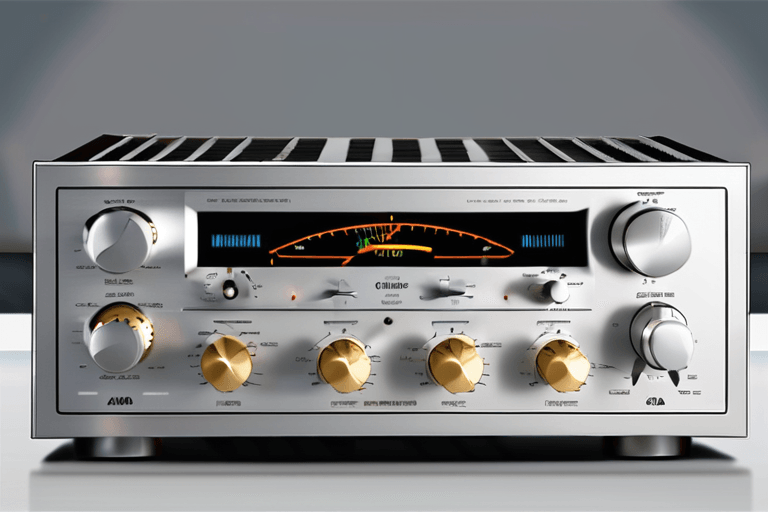
A preamplifier, often called a preamp, prepares an audio signal for amplification and subsequent transmission to speakers. In essence, the preamp handles all necessary processing of the audio signal originating from a music source before it reaches the amplifier and ultimately the speakers, according to audio experts.
The primary function of a preamp is to process the audio signal before it is amplified. In a traditional hi-fi setup, loudspeakers are passive, meaning they require an amplified signal from an external amplifier to produce sound. Even modern self-contained audio systems, such as the Sonos Era 100, rely on amplification of the drivers to generate sound, though this process occurs within a single unit.
The need for a preamp arises from the fact that audio signals often require adjustments before amplification. These adjustments can include impedance matching, signal boosting, and tone control. Without a preamp, the audio signal might be too weak or improperly formatted for the amplifier to function optimally.
Whether an individual needs a preamp depends on the specific audio setup. In systems with separate components, such as a turntable connected to an amplifier, a preamp is typically essential. However, in integrated systems or those with built-in preamplification, a separate preamp may not be necessary.
















Discussion
Join the conversation
Be the first to comment