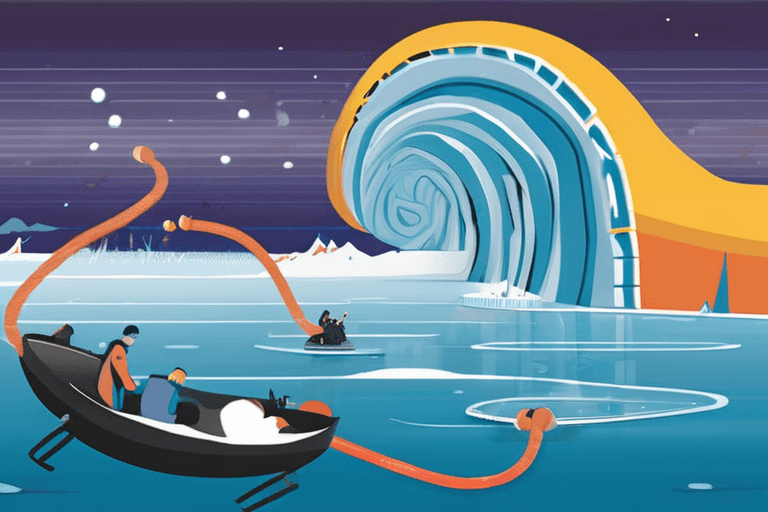
The study found that cracks in the sea ice release heat and pollutants, which then contribute to cloud formation and accelerate the melting process. Simultaneously, emissions from oil fields in the Arctic alter the atmospheric chemistry, exacerbating the problem. These interactions create feedback loops that allow more sunlight to be absorbed, generate smog, and push warming even further.
"The Arctic system is proving to be incredibly fragile," stated a researcher involved in the study. "These feedback loops highlight the interconnectedness of natural processes and human impact, and the potential for rapid and dramatic change."
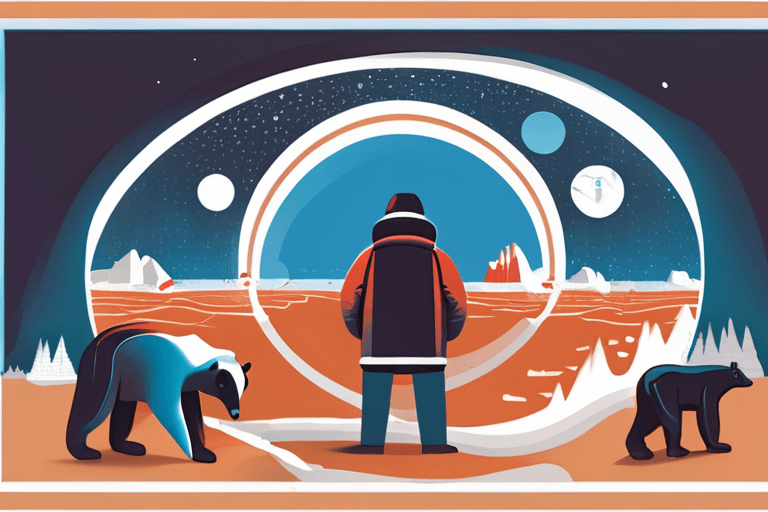
The Arctic region has been warming at a rate significantly faster than the global average, with profound implications for the planet. The melting of sea ice contributes to rising sea levels, threatening coastal communities worldwide, from the low-lying islands of the Pacific to major metropolitan areas in Europe and Asia. Changes in Arctic weather patterns can also disrupt global weather systems, leading to more extreme weather events in other parts of the world.
The Arctic's indigenous populations, including the Inuit, Sami, and Nenets, are particularly vulnerable to the impacts of climate change. Their traditional ways of life, which are deeply connected to the land and sea, are being threatened by melting ice, changing animal migration patterns, and increased coastal erosion.
The findings underscore the urgent need for international cooperation to reduce greenhouse gas emissions and mitigate the impacts of climate change in the Arctic. The Arctic Council, an intergovernmental forum comprising the Arctic states and indigenous representatives, plays a crucial role in coordinating research and policy on Arctic issues. However, geopolitical tensions and competing economic interests, particularly regarding access to Arctic resources, can complicate efforts to address the challenges facing the region.
The research team plans to continue monitoring the Arctic climate and studying the complex interactions between natural processes and human activities. Further research is needed to fully understand the long-term consequences of Arctic warming and to develop effective strategies for mitigating its impacts. The scientists hope their findings will inform policy decisions and encourage greater international cooperation to protect this vital region.
















Discussion
Join the conversation
Be the first to comment