Scientists have discovered a massive hydrothermal vent field near the Greek island of Milos, revealing a dynamic underwater landscape teeming with geological activity. The discovery, detailed in a new study published in Scientific Reports, occurred during the METEOR expedition M192, led by researchers from MARUM – Center for Marine Environmental Sciences at the University of Bremen.
The vent system, located along active fault lines beneath the seafloor, is characterized by clusters of vents emitting hot, gas-rich fluids. Researchers observed boiling fluids reaching temperatures of 180 degrees Celsius and vibrant microbial mats flourishing in the extreme environment during deep-sea dives. The unexpected scale and diversity of the hydrothermal field has positioned Milos as a key site for studying Earth's internal processes.
"These geological fractures act as pathways for fluids to escape, creating a visually stunning and scientifically important environment," stated a representative from MARUM in a press release. The vents' proximity to the island of Milos, known for its volcanic activity, suggests a direct connection to the region's active geological setting.
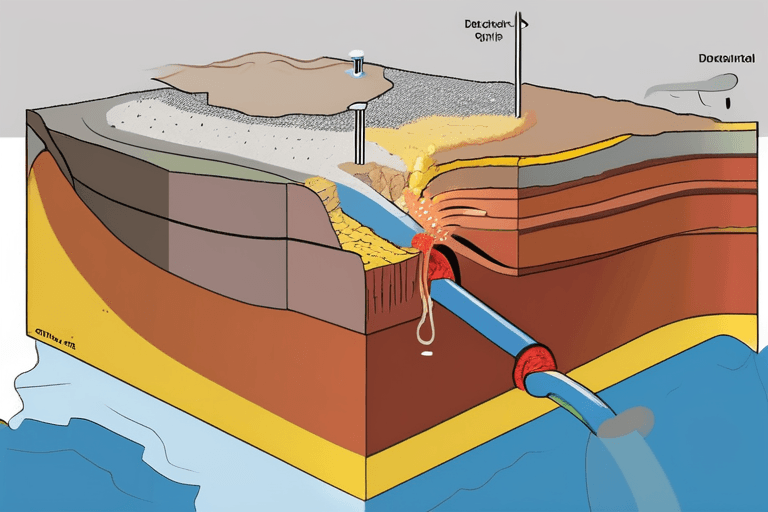
Hydrothermal vents are formed when seawater seeps into the ocean floor, is heated by magma, and then rises back to the surface, carrying dissolved minerals. These vents are often found near volcanically active areas, such as mid-ocean ridges and volcanic islands. The newly discovered field near Milos is unique due to its size and accessibility, offering scientists a rare opportunity to study these systems in detail.
The discovery has significant implications for understanding the role of hydrothermal vents in ocean chemistry and the evolution of life. These vents support unique ecosystems that thrive on chemical energy rather than sunlight, providing insights into the potential for life in other extreme environments, including those on other planets.
Researchers plan to continue studying the Milos hydrothermal field to further understand its geological and biological characteristics. Future expeditions will focus on mapping the extent of the vent system, analyzing the composition of the fluids and microbial communities, and investigating the potential for mineral resources. The ongoing research promises to reveal new insights into the complex interactions between Earth's geology, chemistry, and biology.





















Discussion
Join the conversation
Be the first to comment