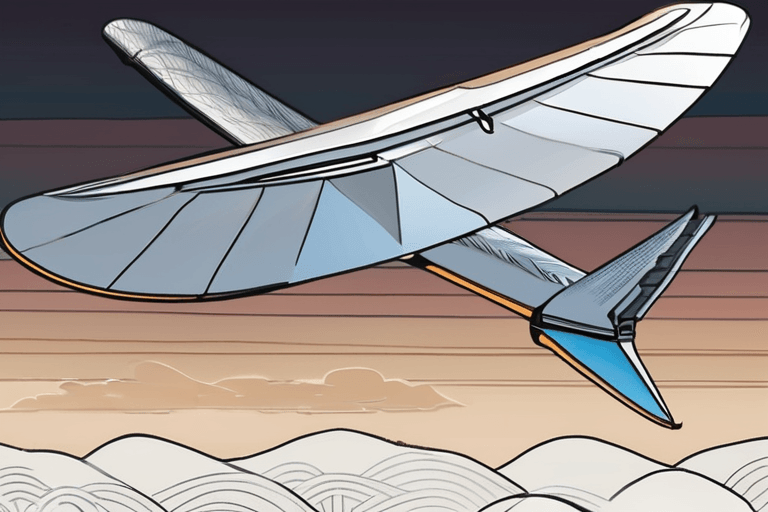
Boomerangs, contrary to popular belief, can bounce, according to research resurfacing from Nature's archive. The article highlights that while the traditional understanding of a boomerang centers on its return flight, the object's aerodynamic properties also allow for bouncing under specific conditions.
The phenomenon of a bouncing boomerang is influenced by several factors, including the angle of release, the type of surface it impacts, and the boomerang's design. According to archived research, a flatter, harder surface is more conducive to a successful bounce. The spin imparted on the boomerang during its throw also plays a crucial role, providing the necessary lift and stability for both flight and subsequent bouncing.
The historical context of boomerang research reveals an ongoing interest in understanding the physics of flight and aerodynamics. Early studies, now part of Nature's archive, explored the complex interplay of forces acting on a boomerang, including lift, drag, and gyroscopic precession. These investigations laid the groundwork for modern advancements in aerospace engineering and drone technology.
While the primary function of a boomerang is typically associated with its return capability, the ability to bounce opens up possibilities for alternative applications. In the past, bouncing boomerangs may have been used in hunting or recreational activities, depending on the culture and geographical location.
The rediscovery of this archived research underscores the importance of preserving and revisiting historical scientific findings. As technology advances, AI algorithms could be employed to analyze vast archives of scientific data, potentially uncovering overlooked insights and connections. This approach could accelerate innovation across various fields, from materials science to robotics.
Currently, researchers are exploring the potential of AI-driven analysis to extract valuable information from historical scientific documents. By applying machine learning techniques to digitized archives, scientists hope to identify patterns and correlations that might have been missed by human researchers. This effort could lead to a deeper understanding of complex phenomena and inspire new avenues of scientific inquiry.
















Discussion
Join the conversation
Be the first to comment