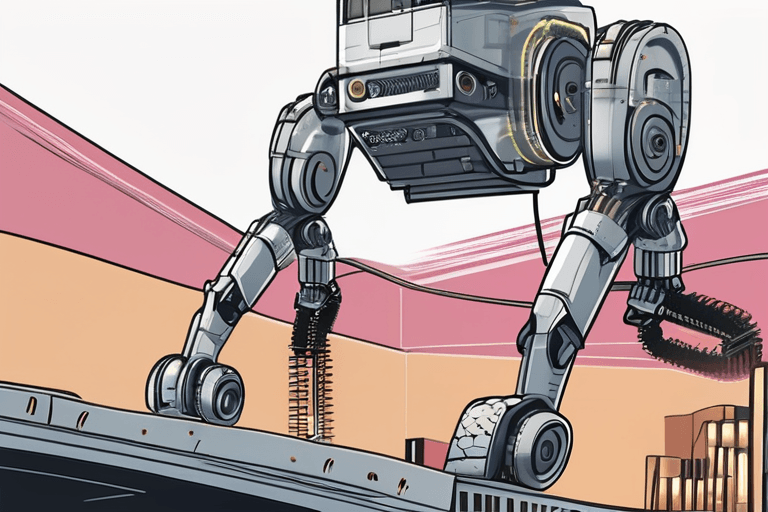
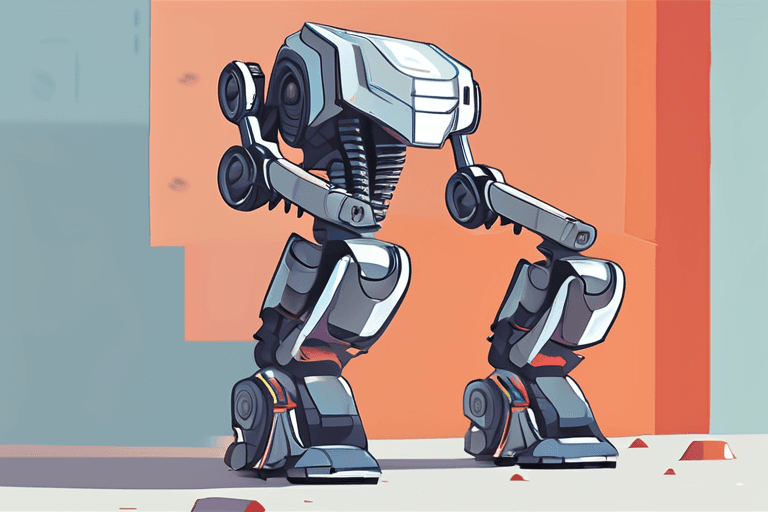
Robots are being utilized in post-cataclysm environments to clear rubble and rebuild infrastructure, showcasing advancements in artificial intelligence and robotics for disaster recovery. These robots, exemplified by units like "Twobit," are designed for resilience and strength, capable of withstanding aftershocks and lifting heavy debris, according to sources familiar with the project.
The robots are powered by solar panels and feature sophisticated circulatory systems that filter and remix elements from the air to lubricate their joints, representing a peak in intelligent design, engineers stated. While occasional imbalances in the element mix can occur, these are generally resolvable, minimizing downtime. Twobit's current task involves clearing debris from a building with a marble facade that had deteriorated due to climate change impacts prior to the Cataclysm. The marble had crumbled, creating a dust resembling snow, a phenomenon largely unknown to the current population.
The use of AI-powered robots in disaster zones raises important questions about the future of labor and the role of technology in rebuilding societies. Experts note that the robots' ability to operate autonomously in hazardous environments reduces risks to human workers. "These robots are not just tools; they are partners in the rebuilding process," said Dr. Anya Sharma, a robotics ethicist at the Institute for Technological Advancement. "Their deployment forces us to consider the ethical implications of increasingly autonomous machines and their impact on human employment."
The development of these robots builds upon decades of research in AI and robotics. Recent advancements in machine learning have enabled robots to adapt to changing environments and make decisions independently. The circulatory systems, for example, utilize AI algorithms to optimize the element mix for joint lubrication, ensuring efficient operation.
The deployment of robots like Twobit is ongoing, with engineers continuously monitoring their performance and making adjustments as needed. Future developments may include enhancements to their sensory capabilities and the integration of advanced AI algorithms for more complex tasks, according to project leaders. The long-term implications of this technology extend beyond disaster recovery, potentially impacting industries such as construction, mining, and environmental cleanup.


















Discussion
Join the conversation
Be the first to comment