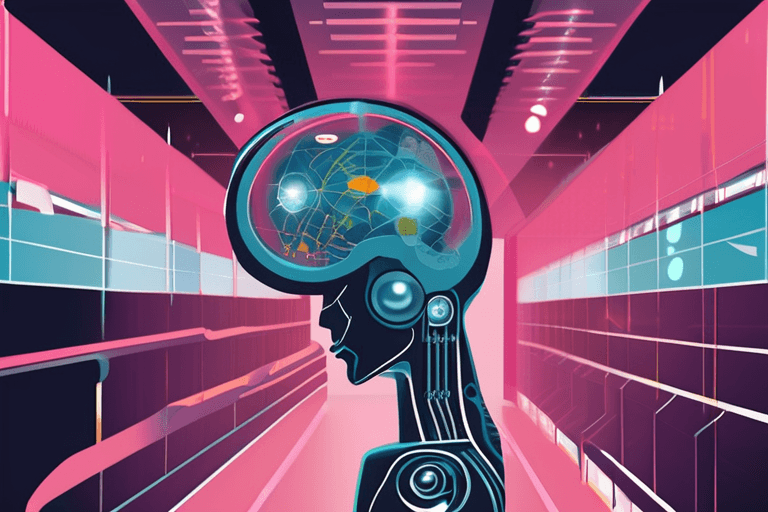
By 2050, superintelligent artificial intelligence may conduct the majority of scientific research, potentially eclipsing human researchers, according to futurologist Nick Bostrom. Bostrom conveyed this prediction in an email, suggesting that while humans might still engage in scientific pursuits as a hobby, their contributions would likely be insignificant compared to AI.
Nature, a leading scientific journal, has a history of exploring future scientific trends. The journal previously published supplements at the turn of the 21st century that were dedicated to forecasting scientific advancements. One notable prediction from then-editor Philip Campbell was the discovery of non-DNA-based life by 2100, a statement Campbell himself later deemed "foolish."
The increasing sophistication of AI and its potential application in scientific research raises questions about the future role of human scientists. While predicting the future with certainty remains impossible, these forecasts offer valuable insights into the potential trajectory of scientific progress and its impact on various industries. The automation of research could accelerate the pace of discovery, potentially leading to breakthroughs in fields such as medicine, materials science, and energy. However, it also raises ethical considerations about the control and oversight of AI-driven research.















Discussion
Join the conversation
Be the first to comment