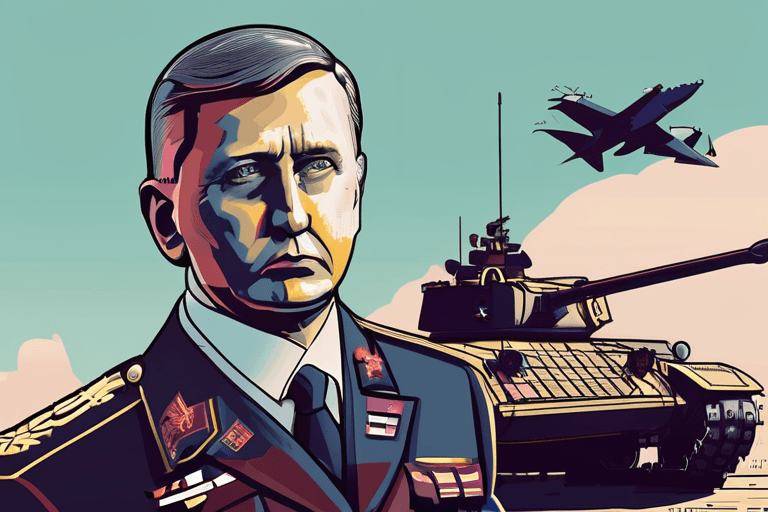
President Volodymyr Zelensky of Ukraine and President Vladimir Putin of Russia are actively engaged in shaping former President Donald Trump's perspective on the ongoing war, according to recent interactions. Zelensky's team expressed relief after a meeting with Trump in Florida, where the former president did not publicly criticize Ukraine or echo Kremlin narratives. However, while Zelensky was traveling back to Ukraine, Putin spoke with Trump, alleging a Ukrainian drone attack targeted one of his residences in Russia.
Trump told reporters he was angered by the alleged attack, stating, "I don’t like it. It’s not the right time to do any of that. I was very angry about it." Zelensky swiftly denied the accusation, calling it a "complete fabrication designed to undermine all achievements of our shared diplomatic efforts with President Trump's team" in a social media post. The denial was reinforced through a voice message to reporters and further supported by Ukraine's foreign minister.
The competing narratives highlight the strategic importance both Russia and Ukraine place on influencing Trump's views, particularly given his potential return to the White House. Trump's past statements on the conflict have been varied, sometimes questioning the level of U.S. support for Ukraine and expressing admiration for Putin.
The situation underscores the complex interplay of diplomacy, information warfare, and political influence in modern conflicts. Both sides are leveraging communication channels to shape perceptions and potentially sway future policy decisions. The use of social media and direct communication with influential figures like Trump demonstrates a calculated effort to control the narrative surrounding the war. The incident also highlights the challenges of verifying information in real-time during a conflict, where accusations and denials can quickly escalate tensions.


















Discussion
Join the conversation
Be the first to comment