Dr. Ismet Booley, a dentist in Cape Town, experienced firsthand the crippling effects of frequent power cuts. "I just couldn't work," Dr. Booley said, describing how power outages disrupted appointments and prevented him from performing essential procedures like X-rays and fillings. Now, like many others, he relies on solar power to keep his practice running.
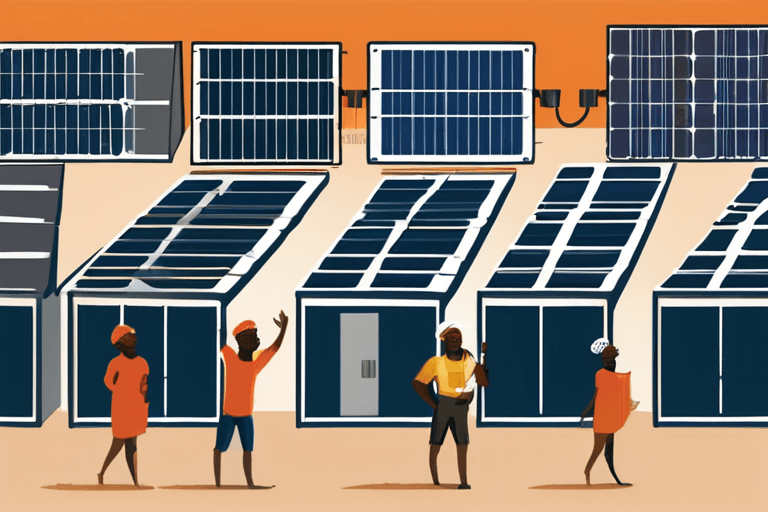
This transition extends far beyond individual households. Factories, shopping malls, wineries, and even gold mines are adopting solar solutions, signaling a significant shift in how Africa's biggest economy powers itself. These aren't the small, rudimentary solar lanterns of the past; these are sophisticated systems capable of powering entire businesses.
The speed of this transformation has been remarkable. Solar energy, once a niche technology, has quickly become a mainstream solution, offering a reliable and cost-effective alternative to traditional power sources. The cultural impact is also notable, as communities embrace renewable energy and reduce their reliance on often unreliable and environmentally damaging fossil fuels.
The widespread adoption of solar power has significant implications for trade and industry. Businesses can maintain productivity and reduce losses caused by power outages, fostering economic growth and stability. This also creates new opportunities in the renewable energy sector, from installation and maintenance to manufacturing and distribution.
While challenges remain, such as the need for supportive policies and infrastructure development, the trend toward solar power in Africa is undeniable. As prices continue to fall and technology improves, solar energy is poised to play an even greater role in powering the continent's future.


















Discussion
Join the conversation
Be the first to comment