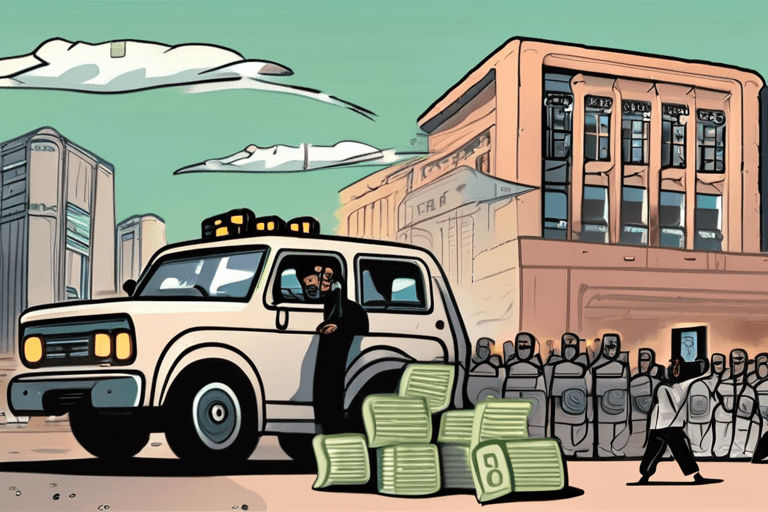
Iran is grappling with widespread economic unrest as protests ignited by the Iranian rial's record low against the US dollar entered their third day. The initial strike by Tehran's Grand Bazaar shopkeepers on Sunday quickly escalated into demonstrations across multiple cities, including Karaj, Hamedan, Qeshm, Malard, Isfahan, Kermanshah, Shiraz, and Yazd.
The rial's devaluation triggered the initial wave of discontent, reflecting deeper economic pressures within Iran. While specific figures for the currency's low were not disclosed, the "record low" designation underscores the severity of the situation. The protests highlight the tangible impact of currency fluctuations on everyday businesses and consumers, particularly those reliant on imports or exposed to dollar-denominated transactions.
The unrest is likely to further destabilize the Iranian market, potentially deterring foreign investment and disrupting trade flows. Businesses operating in Iran face increased uncertainty, with the potential for supply chain disruptions and reduced consumer demand. The government's response, including acknowledging the protests and initiating talks, suggests an attempt to mitigate the economic fallout. The acceptance of Central Bank Governor Mohammadreza Farzin's resignation and the appointment of Abdolnasser Hemmati signals a potential shift in monetary policy aimed at stabilizing the currency.
Iran's economy has been under pressure for years, facing challenges from international sanctions, fluctuating oil prices, and internal economic policies. The recent currency devaluation exacerbates these existing vulnerabilities, impacting businesses across various sectors. The Grand Bazaar, a traditional hub of commerce in Tehran, serves as a barometer of economic sentiment, and its strike action underscores the depth of concern among Iranian businesses.
Looking ahead, the situation remains fluid. The success of the government's dialogue with protesters and the effectiveness of new monetary policies will be crucial in determining the future trajectory of the Iranian economy. Further currency depreciation could fuel additional unrest, while a successful stabilization effort could restore confidence and pave the way for economic recovery. The coming days will be critical in assessing the long-term implications of this economic crisis.














Discussion
Join the conversation
Be the first to comment