Éric Ciotti, a leading figure in the French right-wing UDR party, called for a national tribute to the late actress Brigitte Bardot, who died on Sunday at the age of 91, sparking debate across the French political spectrum. Ciotti launched a petition, which has garnered over 23,000 signatures, urging President Emmanuel Macron to organize a national send-off for the film icon.
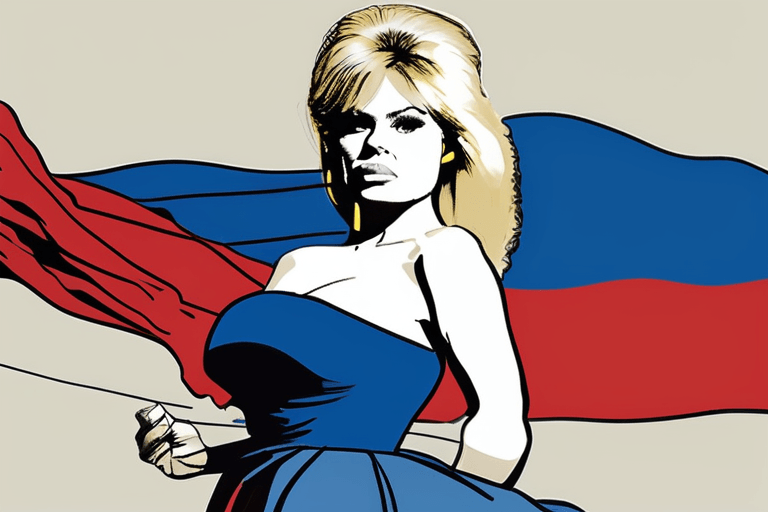
Ciotti argued that France has a "duty to honour its Marianne," referencing Bardot's selection in the 1960s to represent the emblem of French liberty. President Macron hailed Bardot as a "legend of the century" who embodied a life of freedom.
However, the proposal faced opposition from the left. Socialist leader Olivier Faure contended that national homages should be reserved for individuals who have provided "exceptional services to the nation," suggesting that while Bardot was an iconic actress, she had "turned her back on republican values."
Bardot, who had long shunned the limelight and dedicated her later life to animal rights activism, rose to international fame in the 1950s and 1960s, becoming a symbol of French New Wave cinema and influencing fashion and popular culture globally. Her image as a free-spirited and sensual woman challenged traditional norms and contributed to the changing social landscape of the era.
The debate surrounding a national tribute reflects broader cultural and political divisions in France regarding national identity, the role of celebrities in public life, and the criteria for honoring individuals who have contributed to the nation's cultural heritage. The controversy also highlights differing interpretations of Bardot's legacy, with some emphasizing her artistic contributions and others focusing on her controversial political views and activism later in life. The decision now rests with President Macron, who must weigh the competing perspectives and determine whether to grant Ciotti's request for a national tribute.



















Discussion
Join the conversation
Be the first to comment