A prominent AI investment firm, Disruptive, known for backing Nvidia's recent major deal, is sounding the alarm about a potential data center bust within the next few years. The firm's CEO, Alex Davis, anticipates a significant financial crisis hitting the speculative data center market as early as 2027 or 2028.
Davis communicated his concerns in a letter to investors, citing excessive capital expenditure and a growing disconnect between those building AI infrastructure and those who will ultimately utilize it. He pointed to business models lacking realistic margin expansion strategies, coupled with substantial capital expenditure, insufficient enterprise customer engagement, and over-reliance on cyclical investments within the same company.
The warning arrives shortly after Nvidia's agreement to license assets from Groq, a high-performance AI chip startup backed by Disruptive since its inception. Davis has estimated the value of this transaction at approximately $20 billion.
Davis's firm has been an aggressive backer of the AI boom, and this warning carries weight given their recent involvement in facilitating Nvidia's largest deal to date. The core issue, according to Davis, is the "build it and they will come" mentality driving data center development. This approach, he believes, is a dangerous gamble in the current market.
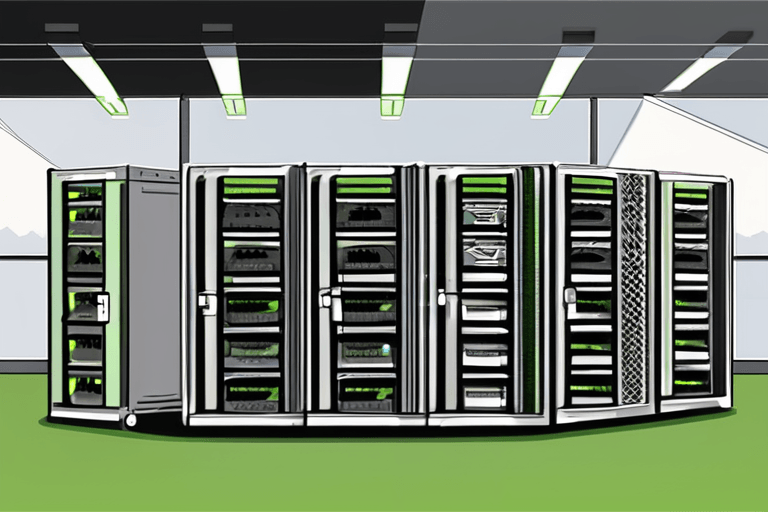
The data center market has experienced explosive growth fueled by the increasing demand for AI and machine learning applications. These applications require massive computational power, necessitating the construction of specialized data centers equipped with advanced hardware like GPUs and TPUs. However, Davis's warning suggests that the pace of construction may be outpacing actual demand, leading to overcapacity and financial strain.
The potential bust could have significant implications for the broader AI ecosystem. A slowdown in data center investment could hinder the development and deployment of new AI technologies, impacting industries ranging from healthcare and finance to transportation and manufacturing. It could also lead to consolidation within the data center industry, with smaller players struggling to compete against larger, more established companies.
Looking ahead, the market will be closely watching how data center utilization rates evolve and whether the demand for AI applications can keep pace with the ongoing expansion of infrastructure. The next few years will be critical in determining whether Davis's concerns materialize into a full-blown financial crisis or if the data center market can successfully navigate the challenges ahead.


















Discussion
Join the conversation
Be the first to comment