Nearly a week after former U.S. President Donald Trump announced what he described as the first U.S. ground strike in a four-month-long military pressure campaign against Venezuela, details surrounding the event remain scarce. CNN and The New York Times reported late Monday that the CIA allegedly used a drone to target a port facility purportedly used by the Tren de Aragua street gang.
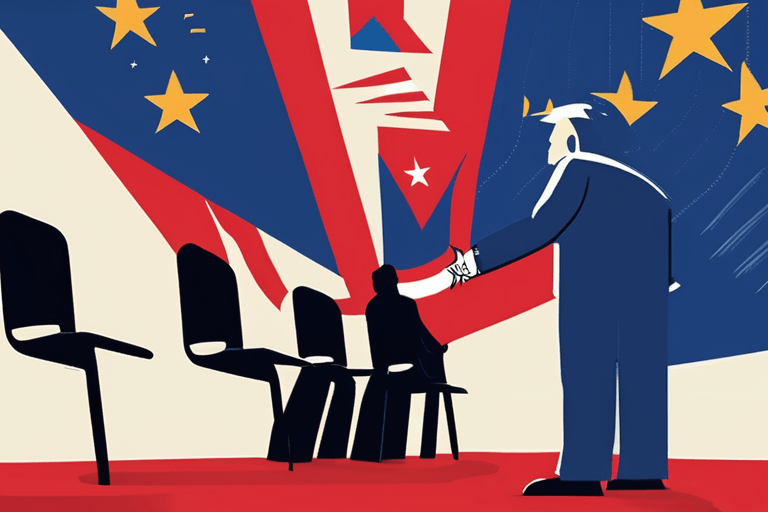
The alleged drone strike marks a new phase in the ongoing shadow war between the U.S. and Venezuela, a conflict that has intensified since Trump's return to the White House. While no casualties were reported in the port facility attack, the date, time, and precise location remain undisclosed. The Venezuelan government, led by Nicolás Maduro, has yet to officially comment on the incident, but state media outlets have condemned what they describe as "imperialist aggression" against the nation's sovereignty.
The current tensions are rooted in a long history of strained relations between the U.S. and Venezuela, exacerbated by ideological differences and conflicting geopolitical interests. Venezuela, under Maduro's socialist regime, has faced international condemnation for alleged human rights abuses, economic mismanagement, and suppression of political dissent. The U.S., in turn, has imposed sanctions and diplomatic pressure in an attempt to force Maduro from power.
The situation is further complicated by the involvement of external actors. Russia and China have maintained close ties with Venezuela, providing economic and military support to Maduro's government. This has fueled concerns in Washington about the growing influence of these powers in the region, prompting the U.S. to take a more assertive stance.
The Tren de Aragua, the gang allegedly targeted in the drone strike, is a transnational criminal organization with a significant presence in Venezuela and neighboring countries. The gang's activities include drug trafficking, extortion, and human smuggling, contributing to the instability and violence that plague the region.
Despite the escalating pressure from the U.S. and internal opposition, Maduro has managed to cling to power. His government has relied on the support of the military, as well as strategic alliances with Russia and China, to withstand the challenges to his rule.
The future of Venezuela remains uncertain. The U.S.'s shadow war, coupled with the country's deep economic crisis and political divisions, has created a volatile and unpredictable environment. International observers fear that further escalation could lead to a broader conflict, with potentially devastating consequences for the region.



















Discussion
Join the conversation
Be the first to comment