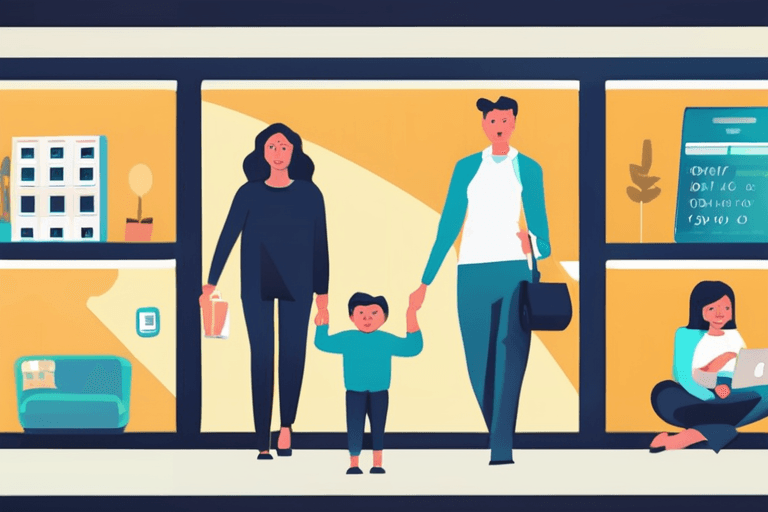
In the heartland, a young couple, Sarah and Tom, grapple with a familiar dilemma: balancing the demands of work with the desire to nurture their newborn. Like many American families, they find themselves caught between the rising costs of childcare and the financial pressures of a dual-income household. This struggle, playing out in kitchens and living rooms across the nation, has caught the attention of conservative policymakers who are exploring unconventional solutions, including the possibility of directly compensating parents for staying home with their children.
The idea, while seemingly novel, taps into a deep well of conservative values centered on family, community, and the perceived importance of parental involvement in early childhood development. Senator Josh Hawley, among others, has voiced concerns about declining birth rates and the challenges faced by modern families. The question now is how to translate these concerns into effective policy.
Traditional conservative approaches, such as expanding the child tax credit or offering "baby bonuses," have been floated as potential solutions. However, some argue these measures may not go far enough in addressing the core issue: the financial strain that forces many parents, particularly those in lower-income brackets, to return to work sooner than they would prefer. This has led to discussions about more direct interventions, such as a national paid parental leave program coupled with a no-strings-attached cash allowance for new parents.
Kendra Hurley, a writer and researcher focused on families and the economy, suggests that such a policy could offer a lifeline to struggling families while simultaneously addressing the growing shortage of infant care. The appeal lies in its potential to empower parents with choice, allowing them to make decisions that best suit their individual circumstances.
However, the concept is not without its critics. Concerns have been raised about the potential impact on women's workforce participation and the long-term economic consequences of incentivizing parents to leave their jobs. Some argue that such a policy could reinforce traditional gender roles and limit women's career opportunities. Others question the fiscal sustainability of such a program and its potential impact on the national debt.
The debate also extends to the philosophical underpinnings of such a policy. While proponents emphasize the importance of parental choice, critics worry about the potential for government overreach and the risk of creating a system that dictates family structures. The challenge lies in finding a balance between supporting families and respecting individual autonomy.
Ultimately, any plan to pay parents to stay home must be carefully crafted to avoid unintended consequences and ensure that it truly serves the best interests of children and families. The focus, as Hurley emphasizes, should be on providing a choice, not incentivizing one option over another. As policymakers grapple with these complex issues, the stories of families like Sarah and Tom serve as a constant reminder of the real-world impact of these decisions. The future of American families, and the policies that support them, hangs in the balance.




















Discussion
Join the conversation
Be the first to comment