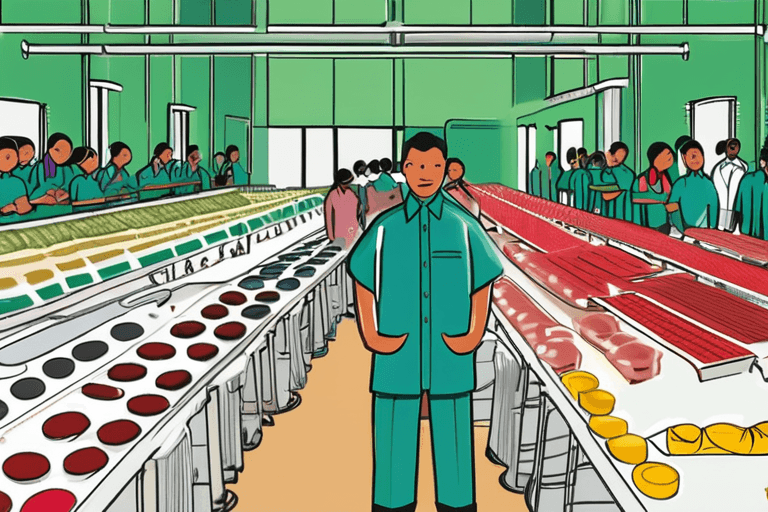
Bangladesh's garment-making industry, long associated with environmental damage and workplace tragedies, is undergoing a significant transformation towards sustainability. The country has quietly emerged as a leader in resource-efficient manufacturing, boasting 268 LEED-certified garment factories, surpassing any other nation, according to industry reports released this week. This shift marks a notable departure from past practices that contributed to severe pollution, particularly in rivers like the Buriganga, which runs through Dhaka.
The Buriganga River, heavily polluted by textile production dyes, chemicals, and heavy metals such as lead and cadmium, became a symbol of the industry's detrimental impact. The sector also faced scrutiny following the 2013 Rana Plaza collapse, which killed 1,134 people and injured approximately 2,500, highlighting critical safety concerns.
However, in recent years, factories across Bangladesh have begun adopting greener technologies and practices. Dye plants are now utilizing safer chemicals, tanneries are implementing cleaner tanning methods and treating wastewater, and workshops are transitioning to more efficient LED lighting. Solar panels are also increasingly visible on factory rooftops, reflecting a commitment to renewable energy.
This move towards sustainability is driven by a combination of factors, including pressure from international buyers, growing awareness of environmental issues, and government initiatives promoting responsible manufacturing. The adoption of LEED certification, a globally recognized standard for green building design, construction, and operation, demonstrates the industry's commitment to meeting international environmental benchmarks.
The transformation in Bangladesh's garment industry reflects a broader global trend towards sustainable manufacturing. Consumers in Europe and North America are increasingly demanding ethically and environmentally responsible products, putting pressure on brands to ensure their supply chains adhere to higher standards. This demand has incentivized factories in Bangladesh to invest in cleaner technologies and improve their environmental performance.
While significant progress has been made, challenges remain. Ensuring consistent enforcement of environmental regulations and promoting widespread adoption of sustainable practices across all factories, including smaller enterprises, are crucial next steps. The ongoing efforts to clean up the Buriganga River and other polluted waterways will also be a key indicator of the industry's long-term commitment to environmental stewardship.





















Discussion
Join the conversation
Be the first to comment