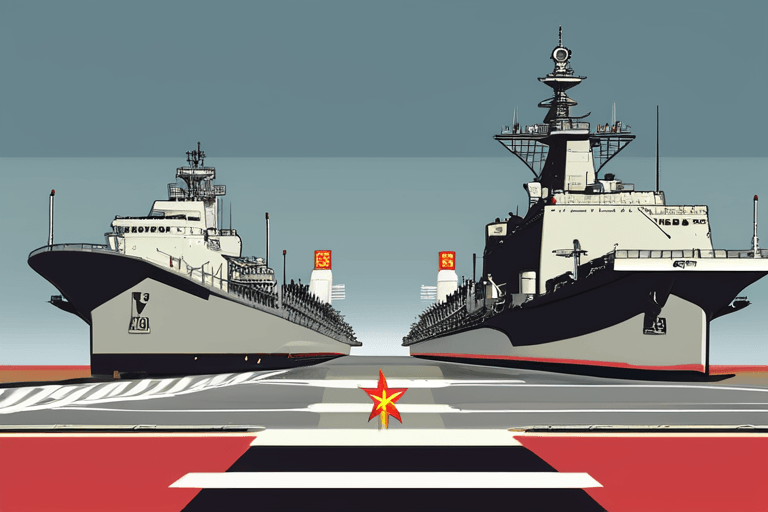
The PLA's Eastern Theater Command deployed destroyers, frigates, fighters, and bombers to the waters surrounding Taiwan, focusing on testing its ability to control the sea and air space. Ground forces conducted long-range, live-fire drills in the waters north of the island. Simultaneously, simulated long-range, joint strikes involving air, navy, and missile units were carried out in the waters south of Taiwan, according to a statement from the command spokesperson.
These military exercises represent a significant display of force, highlighting China's growing military capabilities and its strategic intent regarding Taiwan. The drills involved complex coordination between different branches of the PLA, simulating a comprehensive blockade scenario. This type of exercise is designed to send a clear message about China's ability to isolate Taiwan and potentially prevent external intervention in the event of a conflict.
The concept of "blockade capabilities" is crucial in understanding modern military strategy. It involves using naval and air assets to restrict access to a specific area, preventing the movement of ships and aircraft. In the context of Taiwan, a successful blockade would severely impact the island's economy and its ability to receive support from allies.
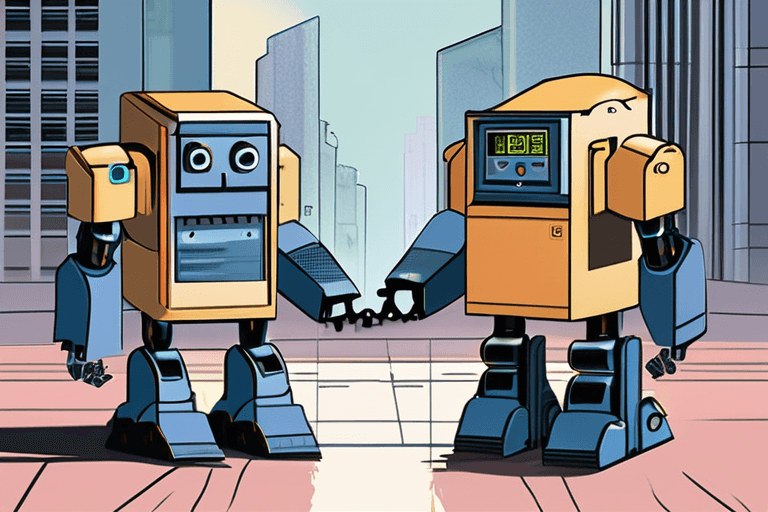
The exercises also raise questions about the role of artificial intelligence (AI) in modern warfare. AI is increasingly being integrated into military systems, from autonomous drones to advanced surveillance technologies. AI algorithms can analyze vast amounts of data to identify potential threats, optimize military operations, and even simulate different scenarios to improve strategic decision-making. The PLA is known to be investing heavily in AI research and development, potentially incorporating AI-driven systems into its military exercises to enhance their effectiveness.
The implications of these developments for society are profound. The increasing use of AI in military operations raises ethical concerns about accountability and the potential for unintended consequences. As AI systems become more autonomous, there is a risk of escalation and miscalculation, particularly in tense geopolitical situations like the one surrounding Taiwan.
Taiwan's Ministry of National Defense condemned the drills, stating that they undermined regional peace and stability. The ministry said it was closely monitoring the situation and would take appropriate measures to safeguard Taiwan's security. The United States, a key ally of Taiwan, has also expressed concern over China's military activities, reiterating its commitment to maintaining peace and stability in the Taiwan Strait.
The current status is that China has concluded the "Justice Mission 2025" drills. However, analysts anticipate continued military activity in the region as China seeks to assert its influence and deter any moves towards Taiwanese independence. The situation remains tense, with the potential for further escalation depending on future political and military developments.
















Discussion
Join the conversation
Be the first to comment