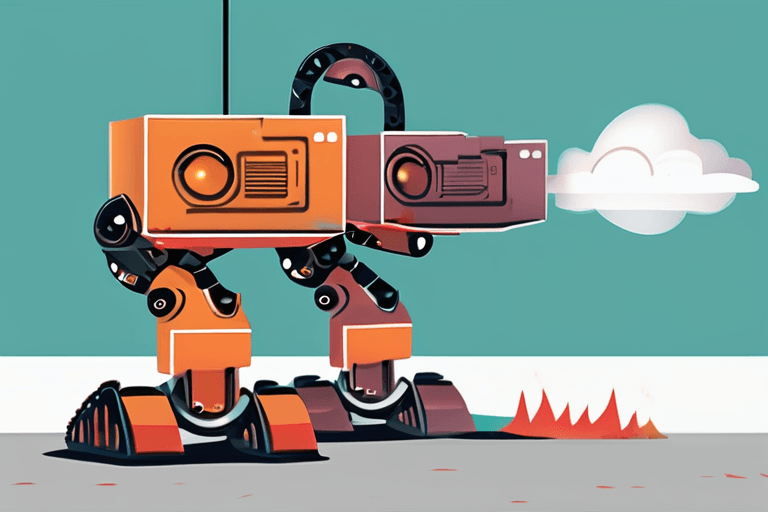
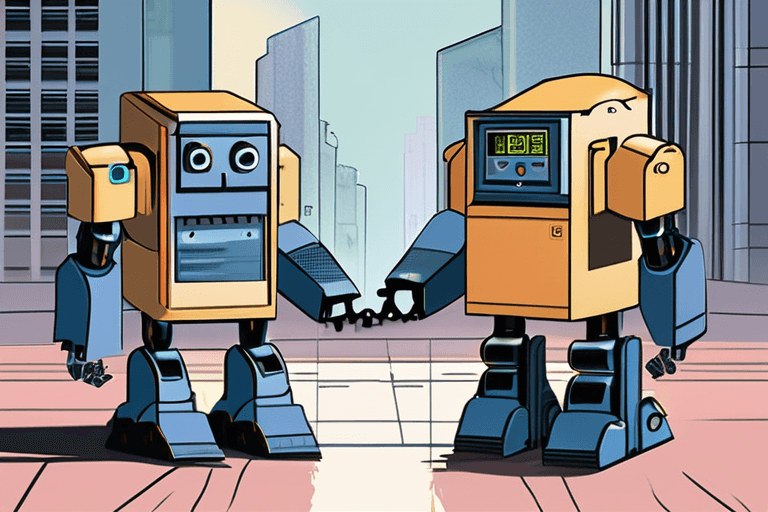
Robots are being utilized in post-cataclysm environments to clear debris and rebuild infrastructure, showcasing advancements in artificial intelligence and robotics engineering. These robots, like the model referred to as Twobit, are designed for resilience and strength, capable of withstanding unstable conditions and lifting heavy materials.
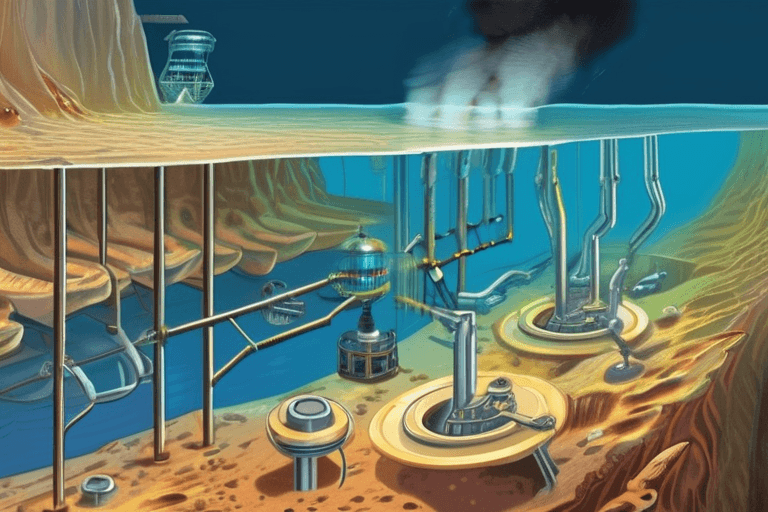
Twobit's functionality relies on solar power for energy and a sophisticated circulatory system that filters and remixes elements from the air to lubricate joints, representing a significant achievement in autonomous robotic maintenance. While occasional imbalances in the element mix can occur, engineers have developed solutions to address these issues, minimizing downtime.
The deployment of robots in disaster zones raises questions about the evolving role of AI in society. "These robots are not just tools; they represent a new paradigm in how we approach disaster recovery and infrastructure development," said Dr. Anya Sharma, a robotics ethicist at the Institute for Technological Advancement. "We must consider the ethical implications of relying on autonomous systems in situations that require complex decision-making."
The use of AI in construction and disaster relief is not without precedent. Researchers at Carnegie Mellon University have been developing robotic systems for infrastructure repair for over a decade. Their work focuses on creating robots that can assess damage, plan repairs, and execute tasks with minimal human intervention.
However, the increasing sophistication of these robots also raises concerns about job displacement. As robots become more capable of performing tasks traditionally done by humans, there is a need to address the potential impact on the workforce. "We need to invest in retraining programs and explore new economic models that can accommodate the changing nature of work," said economist Dr. Ben Carter.
The current status of robotic deployment in post-cataclysm environments is ongoing. Engineers are continuously refining the design and functionality of these robots, incorporating feedback from real-world deployments. Future developments may include the integration of advanced sensors and AI algorithms that allow robots to adapt to changing conditions and make more informed decisions.

















Discussion
Join the conversation
Be the first to comment