Negotiations aimed at ending the nearly four-year full-scale war between Russia and Ukraine are approaching a critical juncture, but significant obstacles remain, according to officials from Russia, the United States, and Ukraine. These "thorny" issues, as described by former U.S. President Donald Trump, threaten to derail a potential peace agreement.
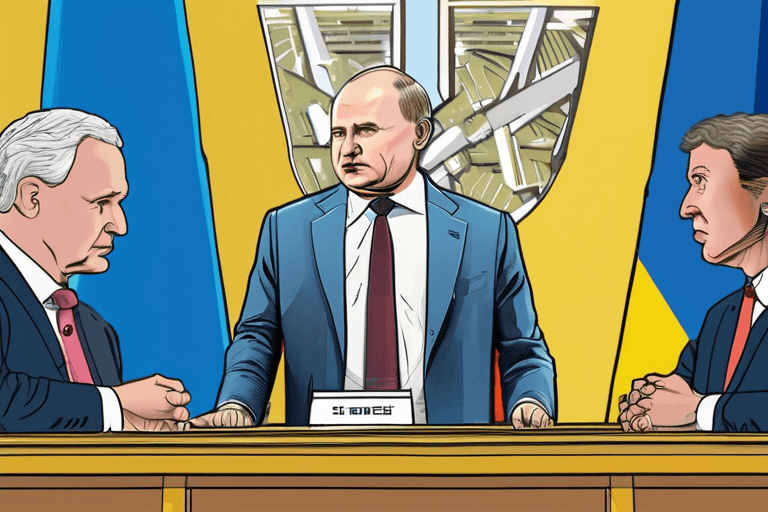
Two of the most challenging points in the proposed 20-point plan, brokered in Washington, D.C., involve territorial disputes and the future of the Zaporizhzhia Nuclear Power Plant, Europe's largest, which is currently under Russian occupation. While Ukrainian President Volodymyr Zelenskyy has expressed a willingness to compromise, Russian President Vladimir Putin continues to demand control over the entirety of Ukraine's industrial Donbas region.
Putin's maximalist demands include the complete annexation of both the Luhansk and Donetsk regions. Russian forces currently control most of Luhansk, but only about 75% of Donetsk, leaving key Ukrainian-held cities like Sloviansk and Kramatorsk within the remaining "fortress belt." Zelenskyy has stated, unlike Trump, he does not trust Russia's Putin on peace talks.
The Kremlin concurs with Trump's assessment that negotiations are "at a final stage." Zelenskyy is scheduled to meet with European leaders in France on January 6 to further discuss the peace process. However, any of these unresolved issues could potentially jeopardize the entire deal.
The Donbas region, Ukraine's industrial heartland, holds significant strategic and economic value for both countries. Russia's desire to control the entire region stems from its rich natural resources and its historical ties to Russia. Ukraine, on the other hand, views the Donbas as an integral part of its sovereign territory and is determined to retain control over as much of it as possible.
The Zaporizhzhia Nuclear Power Plant presents another complex challenge. Its occupation by Russian forces has raised concerns about nuclear safety and security. The plant's continued operation under these conditions poses a risk of a potential nuclear accident, which could have devastating consequences for the region.
The ongoing negotiations represent a critical opportunity to end the conflict and bring stability to the region. However, the deep-seated disagreements and competing interests of the parties involved make reaching a final agreement a difficult and uncertain prospect. The upcoming meeting in France will be a crucial test of the parties' willingness to compromise and find a path towards peace.


















Discussion
Join the conversation
Be the first to comment