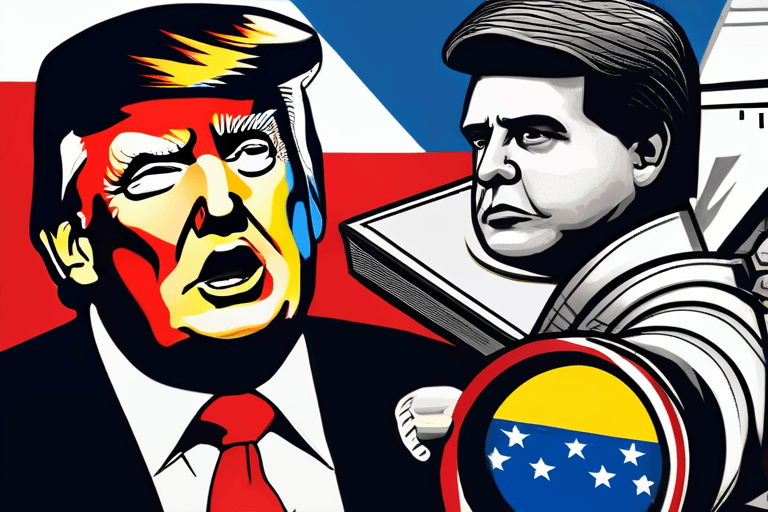
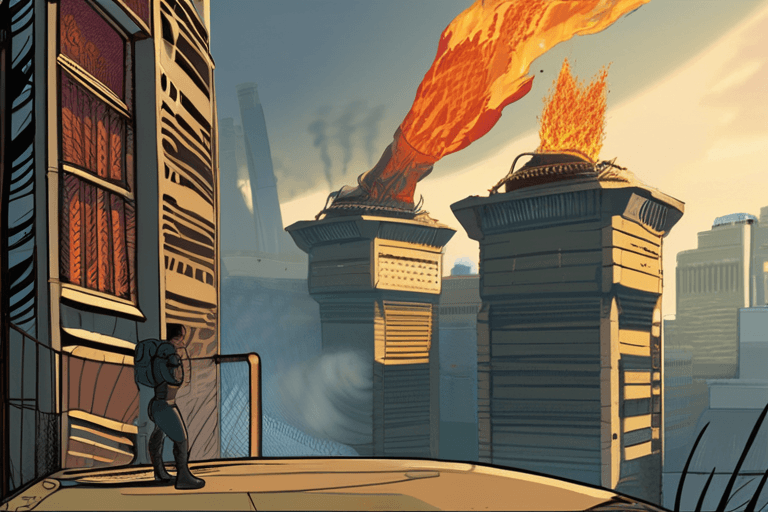
Nearly a week after former U.S. President Donald Trump announced what he described as the first U.S. ground strike in a four-month-long military pressure campaign against Venezuela, details surrounding the event remain scarce. Late Monday, CNN and The New York Times reported confirming that the CIA employed a drone to target a port facility allegedly utilized by the Tren de Aragua street gang. The date, time, and location of the attack remain undisclosed, and no casualties were reported.
The incident marks a significant escalation in what analysts are calling a "shadow war" waged by the United States against the regime of Nicolás Maduro, Venezuela's strongman leader, who continues to cling to power despite mounting internal and external pressures. The alleged drone strike follows months of increased U.S. military activity in the region, including naval exercises and heightened surveillance, all justified by the Trump administration as necessary to combat drug trafficking and support democratic forces within Venezuela.
Venezuela has been mired in a deep political and economic crisis for years, marked by hyperinflation, shortages of essential goods, and widespread emigration. Maduro, who succeeded Hugo Chávez in 2013, has faced accusations of authoritarianism and human rights abuses, leading to international condemnation and sanctions from the U.S. and other countries. The U.S. has long supported opposition leader Juan Guaidó, recognizing him as the legitimate interim president of Venezuela, though Guaidó's influence within the country has waned.
The situation is further complicated by the involvement of other international actors. Russia and China have maintained close ties with Maduro's government, providing economic and military support. These relationships are viewed by the U.S. as a challenge to its influence in the region and a threat to its national security interests. The presence of the Tren de Aragua, a powerful transnational criminal organization, adds another layer of complexity, with allegations of its involvement in drug trafficking, extortion, and other illicit activities.
The recent escalation raises concerns about the potential for a wider conflict in Venezuela, with potentially destabilizing consequences for the entire region. U.S. wargames have reportedly played out scenarios for Maduro's fall, but none of them ended well for Venezuela, according to sources familiar with the simulations. The long-term impact of the U.S. military campaign on the country's political and economic future remains uncertain. International observers are calling for a peaceful resolution to the crisis through dialogue and negotiations, but the path forward remains unclear as Maduro continues to resist pressure to step down.

















Discussion
Join the conversation
Be the first to comment