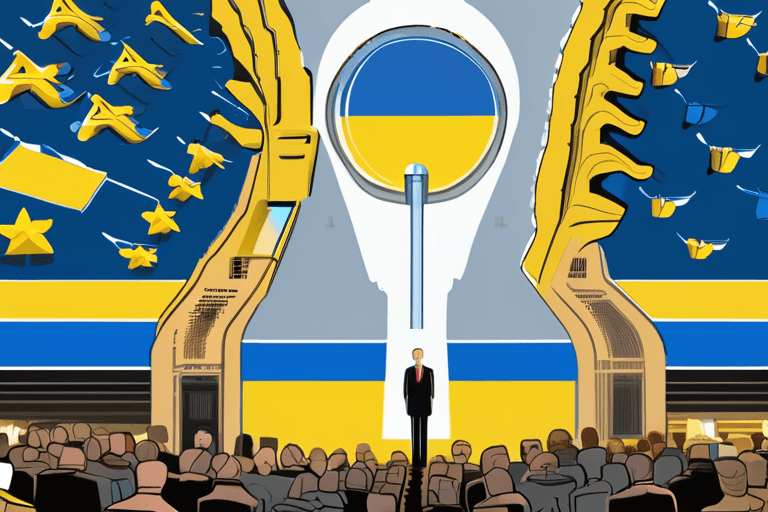
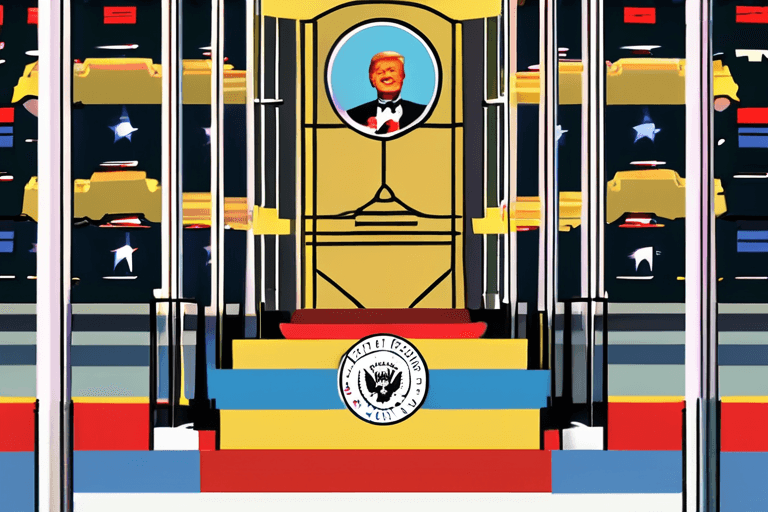
President Volodymyr Zelensky of Ukraine and President Vladimir V. Putin of Russia are actively engaged in shaping former President Donald Trump's perspective on the ongoing war, evidenced by recent direct communications. Zelensky's team sought to solidify a positive impression following a meeting with Trump in Florida, while Putin introduced a counter-narrative during a phone call with Trump, alleging a Ukrainian drone attack on a Russian residence.
Putin's claim, which Trump recounted to reporters by saying, "I don’t like it... It’s not the right time to do any of that. I was very angry about it," threatened to undermine Ukraine's diplomatic efforts. Zelensky swiftly denied the accusation, calling it "a complete fabrication designed to undermine all achievements of our shared diplomatic efforts with President Trump’s team" on social media. Ukrainian negotiators also discussed the claim with American counterparts, and the foreign minister weighed in, highlighting the urgency with which Ukraine addressed the situation.
The competing narratives underscore the strategic importance both Russia and Ukraine place on influencing Trump's views, given his potential return to the White House. Trump's stance on the conflict has been a subject of speculation, with concerns that he might adopt a more isolationist approach or favor a settlement that benefits Russia. The efforts to sway Trump's opinion reflect a broader understanding of the power of information warfare and the role of key international figures in shaping the conflict's trajectory.
The situation illustrates the complexities of modern diplomacy, where direct communication and public relations campaigns are intertwined with military actions. The use of social media by Zelensky to counter Putin's claims demonstrates the importance of rapid response and narrative control in the information age. The involvement of Ukrainian negotiators and the foreign minister further emphasizes the coordinated effort to manage the diplomatic fallout from Putin's accusation.
The current status remains fluid, with both sides continuing to vie for influence over Trump. The next developments will likely involve further diplomatic engagements and public statements as Russia and Ukraine seek to solidify their respective positions in the eyes of the former president. The outcome of these efforts could have significant implications for the future of the conflict and the broader geopolitical landscape.



















Discussion
Join the conversation
Be the first to comment