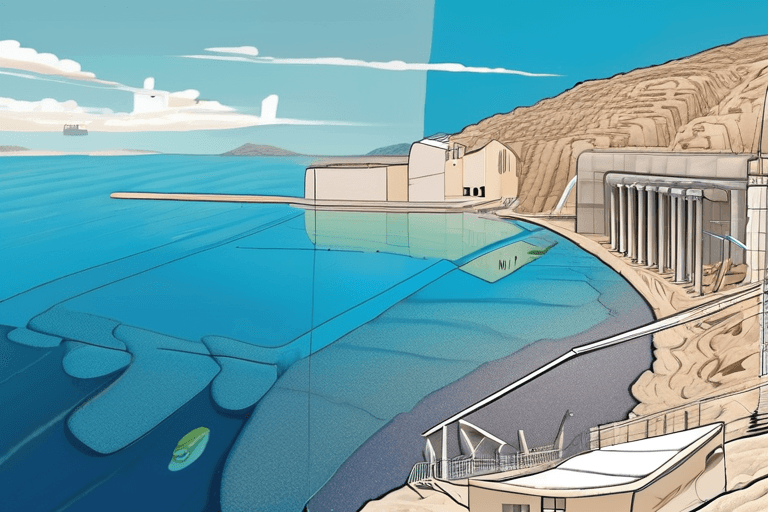
Nearly a week after former U.S. President Donald Trump announced what he described as the first U.S. ground strike in a four-month-long military pressure campaign against Venezuela, details surrounding the event remain scarce. CNN and The New York Times reported late Monday that the CIA had allegedly used a drone to target a port facility purportedly used by the Tren de Aragua street gang.
The alleged drone strike marks a new phase in the ongoing shadow war between the U.S. and Venezuela, where Nicolás Maduro continues to cling to power despite increasing international pressure and internal dissent. The date, time, and precise location of the attack remain unconfirmed, and no casualties were reported.
The incident is the latest in a series of escalating actions taken by the U.S. against Maduro's regime, which has been accused of corruption, human rights abuses, and undermining democratic institutions. The U.S. has previously imposed sanctions on Venezuelan officials and entities, and has recognized opposition leader Juan Guaidó as the country's legitimate president, although Guaidó's influence within Venezuela has waned considerably in recent years.
The situation in Venezuela is complex, rooted in a history of political instability and economic mismanagement. The country, once one of the wealthiest in Latin America due to its vast oil reserves, has suffered a severe economic crisis in recent years, leading to widespread poverty, hyperinflation, and mass emigration. Maduro's socialist policies, coupled with declining oil prices and international sanctions, have exacerbated the crisis.
The alleged U.S. drone strike has drawn condemnation from some international observers, who argue that it violates international law and undermines Venezuelan sovereignty. Critics also point to the potential for unintended consequences, including civilian casualties and further destabilization of the region. "These kinds of actions risk escalating the conflict and could have devastating consequences for the Venezuelan people," said Dr. Isabella Marquez, a professor of Latin American studies at the University of Toronto.
The Venezuelan government has yet to issue an official statement regarding the alleged drone strike. However, in the past, Maduro has accused the U.S. of plotting to overthrow his government and has vowed to resist any foreign intervention.
The future of Venezuela remains uncertain. U.S. wargames have reportedly played out scenarios for Maduro's fall, but none of them ended well for Venezuela, according to sources familiar with the simulations. While the U.S. continues to exert pressure on Maduro, it is unclear whether these actions will ultimately lead to a peaceful resolution or further entrench the country in conflict. The international community remains divided on how to address the crisis, with some countries supporting a negotiated solution and others calling for stronger action against Maduro.















Discussion
Join the conversation
Be the first to comment