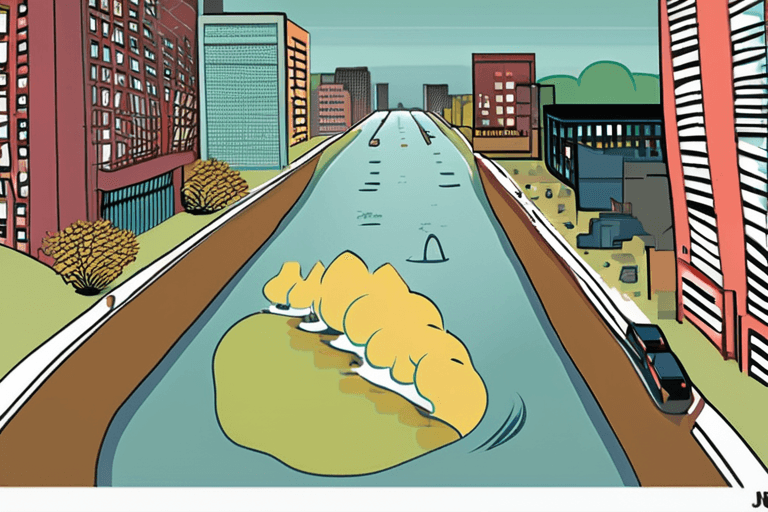
New Jersey has addressed persistent flooding issues by purchasing and demolishing approximately 1,200 properties in flood-prone areas across the state. The initiative aims to mitigate the impact of severe weather events by converting the land into open space.
The state-run program targets homes repeatedly affected by flooding, offering homeowners a buyout option based on pre-flood market value. Richard Onderko, a former resident of Manville, N.J., recalled the constant threat of flooding that plagued his childhood home. He recounted a specific incident in 1971 when he and his brother had to be rescued by boat during Hurricane Doria. Onderko's family eventually moved, and the house was later acquired by the state program in 2015.
Manville, a working-class town of 11,000 residents located about 25 miles southwest of Newark, has a long history of flooding from tropical storms, nor'easters, and heavy rainfall. The constant flooding strained Onderko's parents' marriage, highlighting the personal toll such disasters can take.
The buyout program is funded through a combination of state and federal resources, including grants from the Federal Emergency Management Agency (FEMA). The demolished properties are then converted into open space, such as parks or wetlands, which can help absorb floodwaters and reduce the risk of future damage.
While the program has been praised for its effectiveness in reducing flood risk, some critics argue that it can disrupt communities and displace residents. Others raise concerns about the long-term costs of maintaining the open space and ensuring that it continues to function as intended.
The state continues to identify and acquire properties in flood-prone areas, with plans to expand the program in the coming years. The initiative represents a significant investment in flood mitigation and resilience, but its long-term success will depend on ongoing funding, community support, and effective management of the acquired land.



















Discussion
Join the conversation
Be the first to comment