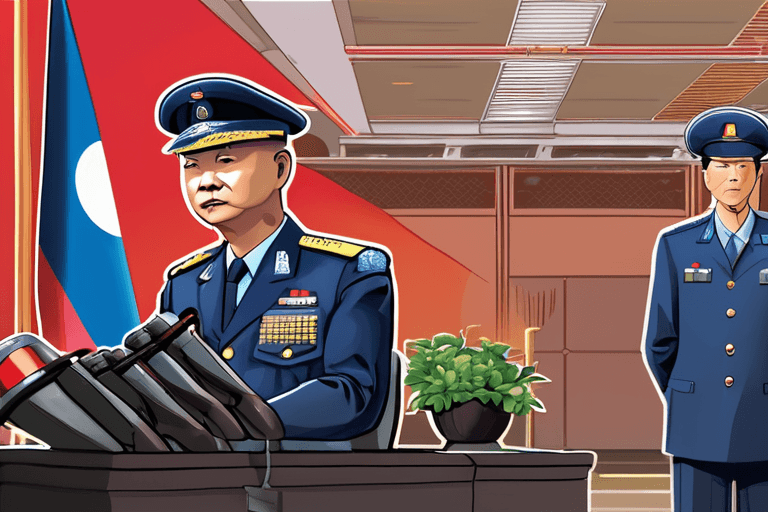
The PLA's Eastern Theater Command deployed destroyers, frigates, fighters, and bombers to the waters surrounding Taiwan, focusing on testing its ability to control the seas and airspace. Ground forces conducted long-range, live-fire drills in the waters north of the island, while simulated long-range, joint strikes involving air, navy, and missile units took place in the waters to the south, according to a command spokesperson.
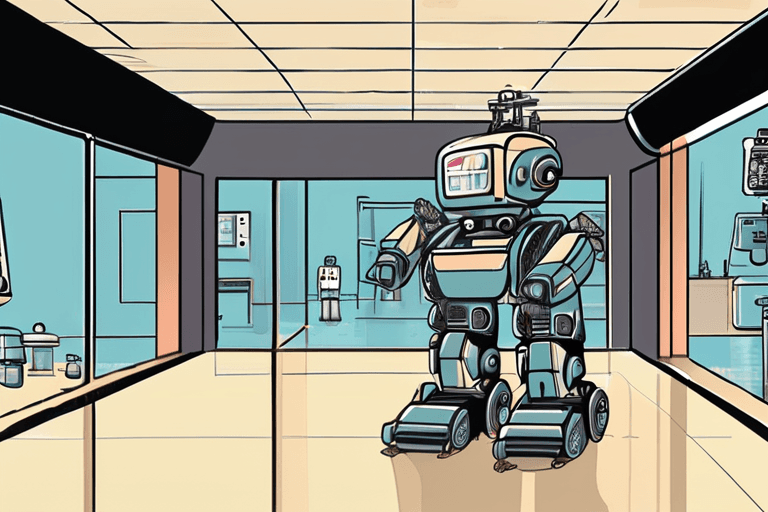
These drills represent a significant display of China's military advancements, particularly in areas enabled by artificial intelligence. Modern military exercises increasingly rely on AI for tasks such as simulating battle scenarios, analyzing intelligence data, and optimizing resource allocation. AI algorithms can process vast amounts of information to identify vulnerabilities and predict enemy movements, enhancing the effectiveness of military strategies.
The use of AI in military simulations allows for more realistic and complex training exercises. For example, AI-powered systems can generate dynamic and unpredictable enemy behaviors, forcing military personnel to adapt and respond in real-time. This type of training is crucial for preparing soldiers for the uncertainties of modern warfare.
The implications of AI in military operations extend beyond training. AI is also being used to develop autonomous weapons systems, which can independently select and engage targets without human intervention. The development of such weapons raises ethical concerns about accountability and the potential for unintended consequences.
The ongoing military drills near Taiwan highlight the growing tensions in the region and the increasing role of technology in shaping geopolitical dynamics. The exercises serve as a reminder of China's military capabilities and its determination to assert its territorial claims. The international community is closely monitoring the situation, with many countries urging restraint and a peaceful resolution to the dispute.
The United States, which maintains a policy of "strategic ambiguity" regarding Taiwan's defense, has expressed its concern over China's military activities. The U.S. has also reiterated its commitment to providing Taiwan with the means to defend itself.
Looking ahead, the situation in the Taiwan Strait is likely to remain a source of tension. China's military modernization, coupled with its assertive foreign policy, poses a challenge to the existing regional order. The development and deployment of AI-enabled military technologies will further complicate the strategic landscape, requiring careful consideration of the ethical and security implications.












Discussion
Join the conversation
Be the first to comment