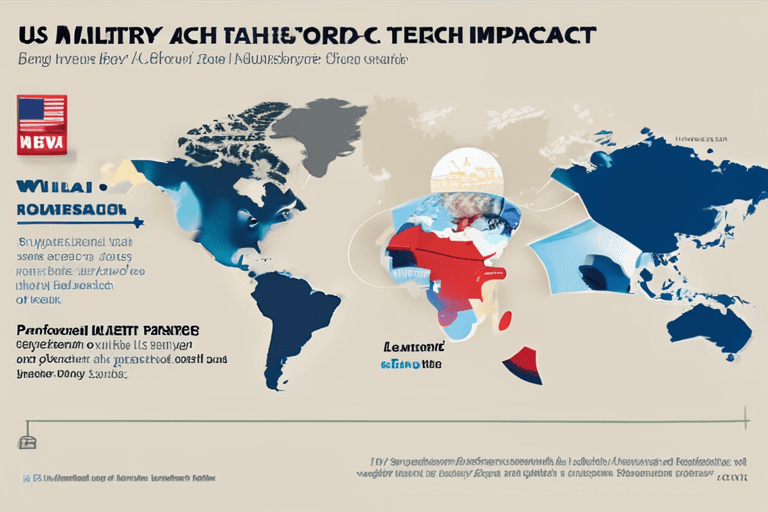
The year 2025 marked the end of the first quarter of the 21st century, a period significantly shaped by U.S. military actions across the globe. Following the September 11, 2001 attacks, then-President George W. Bush initiated what he termed a "global war on terror," setting in motion a series of military interventions that have had far-reaching consequences.
Bush's declaration, "We have our marching orders. My fellow Americans, let's roll," signaled a commitment to a prolonged conflict aimed at safeguarding civilization, according to his administration. This commitment translated into military operations in Afghanistan, Iraq, and other regions, resulting in widespread destruction and a significant loss of life. Estimates place the number of people killed in these conflicts in the millions, according to various international organizations and research groups.
The "war on terror" has been viewed differently across the globe. While some nations supported the U.S.-led efforts, others expressed concerns about the impact on civilian populations, the erosion of international law, and the potential for destabilizing entire regions. Critics argued that the focus on military solutions often overlooked the underlying political, economic, and social factors that contributed to the rise of extremism.
The interventions in Afghanistan and Iraq, in particular, have drawn considerable scrutiny. The initial goals of dismantling terrorist organizations and removing authoritarian regimes evolved into protracted nation-building efforts that faced numerous challenges. The rise of new extremist groups, the persistence of sectarian violence, and the displacement of millions of people underscored the complexities of these conflicts.
The legacy of the past 25 years includes not only the direct consequences of military action but also the broader implications for international relations, human rights, and global security. The use of drone warfare, the treatment of detainees, and the expansion of surveillance technologies have sparked debates about the balance between security and civil liberties.
As the world moves forward, the experiences of the past quarter-century serve as a reminder of the profound impact of military intervention and the importance of seeking alternative approaches to conflict resolution. The ongoing challenges in Afghanistan, Iraq, and other regions affected by the "war on terror" highlight the need for sustained diplomatic engagement, humanitarian assistance, and a commitment to addressing the root causes of instability.














Discussion
Join the conversation
Be the first to comment