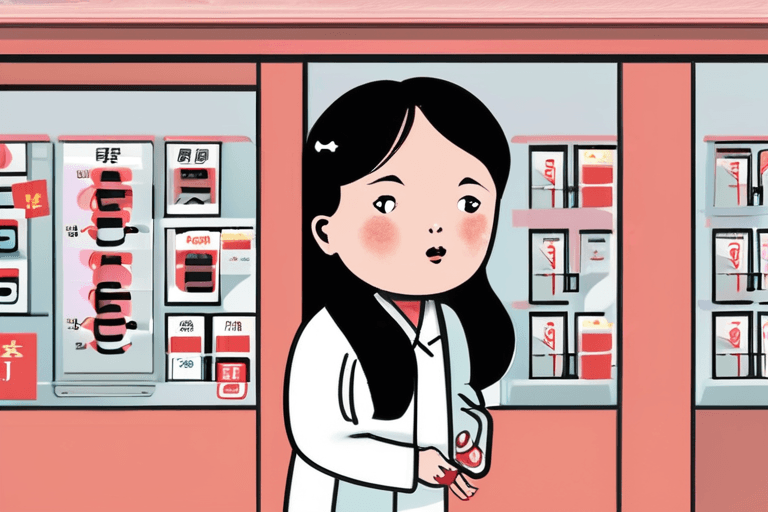
Chinese citizens will face a 13% sales tax on contraceptives starting January 1, as the country implements tax system changes aimed at boosting its declining birth rate, according to an announcement made late last year. The overhaul removes exemptions in place since 1994, when China was enforcing its one-child policy, and simultaneously exempts marriage-related services and elderly care from value added tax (VAT).
The move is part of a broader government initiative to address China's aging population and sluggish economic growth by encouraging marriage and childbirth. Official figures indicate a third consecutive year of population decline, with only 9.54 million births recorded in 2024, approximately half the number recorded a decade prior when the government began easing restrictions on family size.
The new tax policy applies to a range of contraceptives, including condoms, birth control pills, and other birth control devices. While the government aims to incentivize childbirth through financial measures such as extended parental leave and cash handouts, the tax on contraceptives has raised concerns about unintended consequences.
Osmond Chia, a business reporter, noted that the tax changes reflect Beijing's urgency in reversing demographic trends. Yan Chen, a BBC News Chinese reporter, added that the policy's impact on consumer behavior and the market for contraceptives remains to be seen.
The removal of VAT exemptions on contraceptives could potentially impact the profitability of companies manufacturing and distributing these products within China. The market for contraceptives in China is substantial, and the 13% tax could influence purchasing decisions, potentially leading to a decrease in sales volume.
The Chinese government has been actively exploring various measures to encourage larger families, including easing restrictions on the number of children per family and providing financial incentives. However, the effectiveness of these measures is still under evaluation, as many young Chinese couples cite high living costs and career pressures as deterrents to having more children. The long-term effects of the new tax policy on China's birth rate and economy will be closely monitored in the coming years.


















Discussion
Join the conversation
Be the first to comment