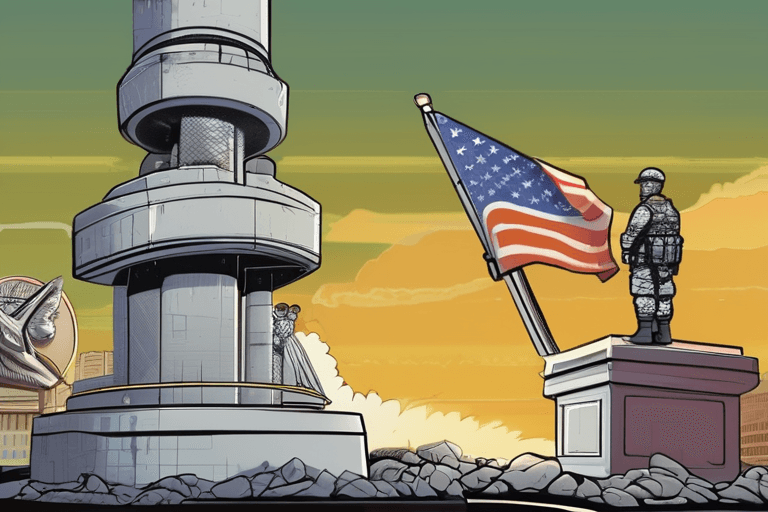
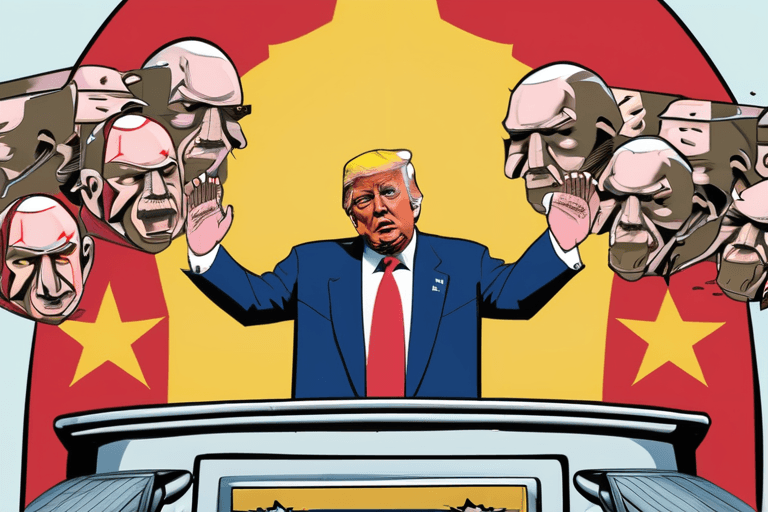
U.S. President Donald Trump stated he is withdrawing National Guard troops from Chicago, Los Angeles, and Portland, marking a shift in policy after facing legal challenges to the deployments. Trump announced the decision Wednesday in a post on Truth Social, asserting that crime had been significantly reduced due to the presence of the National Guard, despite court rulings limiting their operations.
The move comes after months of controversy surrounding the deployment of federal forces to these Democratic-led cities, which Trump argued was necessary to combat rising crime rates and civil unrest. Critics, however, accused the president of using the National Guard to suppress dissent and score political points ahead of upcoming elections. The deployments sparked widespread protests, with many residents viewing the presence of federal troops as an overreach of executive power and a violation of states' rights.
The use of federal forces in U.S. cities has a complex history, often intertwined with issues of race, civil rights, and federalism. During the Civil Rights Movement of the 1960s, for example, the National Guard was deployed to enforce desegregation orders in the face of resistance from state and local authorities. More recently, the National Guard has been used to respond to natural disasters, civil unrest, and security threats, but such deployments typically occur at the request of state governors.
The situation in the U.S. has drawn international attention, with some observers drawing parallels to the use of military force to quell domestic unrest in other countries. In many nations, the deployment of the military within a country's own borders is viewed with suspicion, raising concerns about the erosion of civil liberties and the potential for abuse of power. International human rights organizations have called for restraint and respect for the rights of peaceful assembly and protest.
While Trump stated that the National Guard is being removed, the exact timeline and scope of the withdrawal remain unclear. Legal challenges to the deployments are ongoing, and it is possible that the issue could be revisited in the future. The debate over the role of the federal government in maintaining law and order in U.S. cities is likely to continue, particularly in the lead-up to upcoming elections.














Discussion
Join the conversation
Be the first to comment