Researchers from the Karolinska Institute in Sweden, utilizing data from the UK Biobank, examined five dimensions of sleep quality: chronotype (morningness or eveningness), sleep duration, snoring, insomnia, and daytime sleepiness. Approximately nine years after the initial sleep assessment, participants underwent MRI brain scans. Machine learning models were then employed to estimate the biological age of their brains.
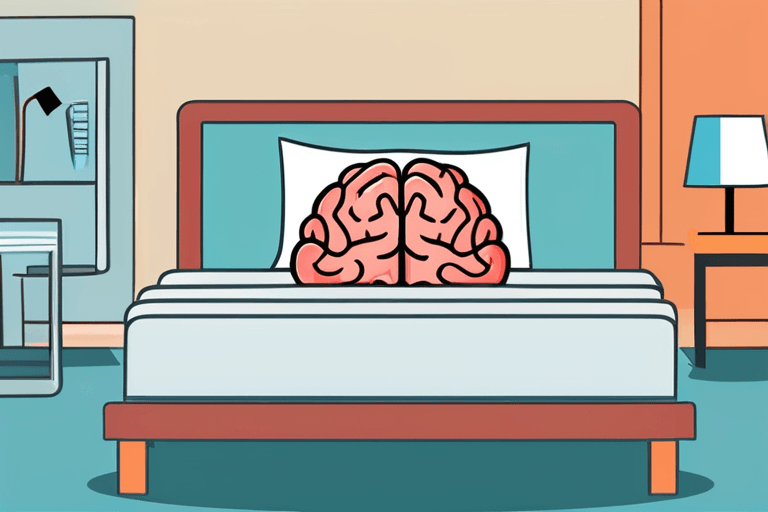
Abigail Dove, a neuroepidemiologist at the Karolinska Institute, stated, "Our findings provide evidence that poor sleep may contribute to accelerated brain aging and point to inflammation as one of the underlying mechanisms." The study highlights a potential link between poor sleep habits and the rate at which the brain ages, suggesting that interventions aimed at improving sleep quality could have a positive impact on brain health.
The use of machine learning in this study is noteworthy. Machine learning algorithms are trained on large datasets to identify patterns and make predictions. In this case, the algorithm was trained on MRI data to estimate brain age based on various features. This approach allows researchers to analyze complex data and identify subtle differences in brain structure that may be indicative of aging. The accuracy of these models depends heavily on the quality and size of the training data.
The implications of this research are significant for public health. As the global population ages, understanding the factors that contribute to cognitive decline becomes increasingly important. If poor sleep quality is indeed a modifiable risk factor for accelerated brain aging, interventions such as sleep hygiene education and treatment for sleep disorders could play a crucial role in promoting healthy brain aging.
While the study identifies a correlation between poor sleep and accelerated brain aging, it is important to note that correlation does not equal causation. Further research is needed to fully understand the underlying mechanisms and to determine whether interventions to improve sleep quality can actually slow down the aging process of the brain. Future studies could also explore the role of genetics and other lifestyle factors in the relationship between sleep and brain aging. The researchers plan to continue monitoring the participants in the UK Biobank to track their cognitive function over time and to further investigate the long-term effects of sleep quality on brain health.


















Discussion
Join the conversation
Be the first to comment