The use of artificial intelligence in mental health is rapidly expanding as a potential solution to the global mental health crisis, with millions turning to AI-powered chatbots and specialized apps for therapy. According to the World Health Organization, over a billion people worldwide are affected by mental health conditions, and the increasing prevalence of anxiety and depression, especially among young people, has fueled the search for accessible and affordable mental health services.
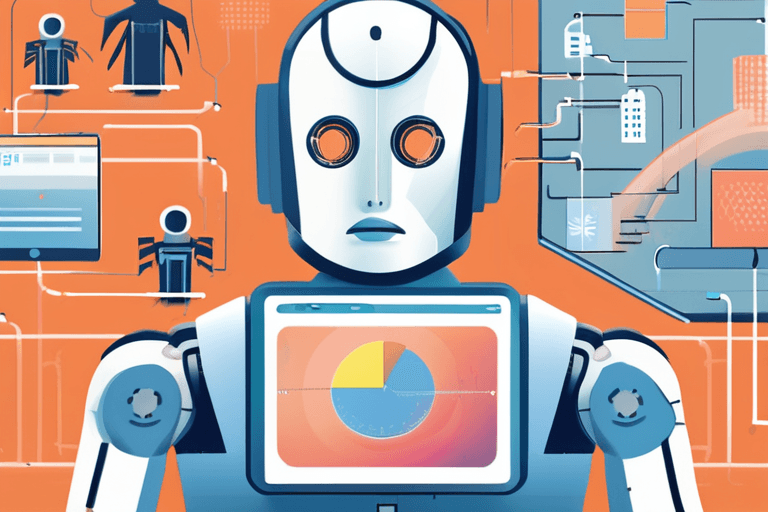
Popular chatbots like OpenAI's ChatGPT and Anthropic's Claude, along with specialized psychology apps such as Wysa and Woebot, are already being utilized by individuals seeking mental health support. These AI tools offer a readily available and often anonymous platform for users to discuss their concerns and receive guidance. Researchers are also exploring the potential of AI to monitor behavioral and biometric data through wearables and smart devices, analyze extensive clinical data for new insights, and assist human mental health professionals in preventing burnout.
Large language models (LLMs) are the foundation for many of these AI therapy tools. LLMs are trained on vast amounts of text data, enabling them to generate human-like responses and engage in conversations. Some experts believe that LLMs hold promise as therapeutic tools, offering a convenient and cost-effective way to provide mental health support. However, the use of AI in mental health is still largely experimental, and the results have been mixed.
While some users have reported finding solace and support through AI chatbots, others have raised concerns about the limitations and potential risks of relying on AI for mental health care. Critics point out that AI lacks the empathy and nuanced understanding of human therapists, and there are concerns about data privacy and the potential for biased or inaccurate advice.
The current landscape of AI therapy is characterized by rapid development and ongoing research. As AI technology continues to evolve, it is crucial to carefully evaluate its effectiveness, address ethical concerns, and ensure that AI-powered mental health tools are used responsibly and in conjunction with human expertise. The future of mental health care may involve a collaborative approach, where AI assists human professionals in providing personalized and accessible support to those in need.
















Discussion
Join the conversation
Be the first to comment