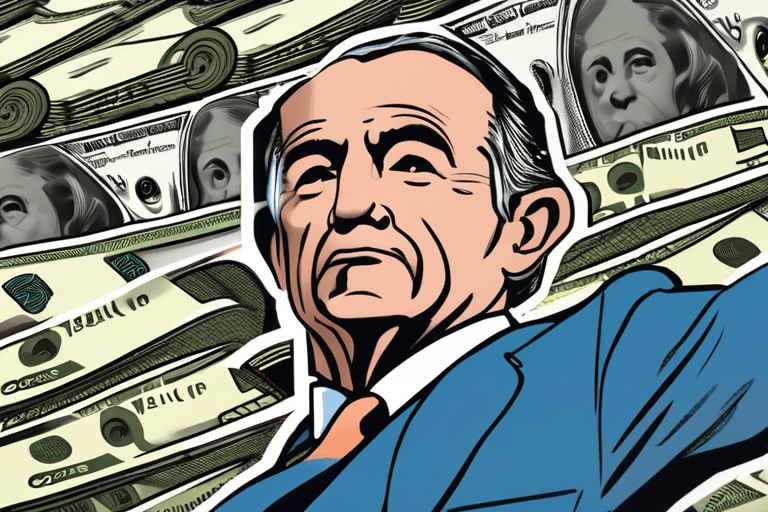
The dollar is on track for its worst year since 2017, with the Bloomberg Dollar Spot Index falling approximately 8% this year. This decline follows tariff implementations in April and sustained pressure from President Trump's push for a dovish Federal Reserve chair appointment for the coming year.
Investors anticipate further declines in the dollar's value if the next Federal Reserve chief pursues deeper interest-rate cuts, diverging from other developed nations. Yusuke Miyairi, a foreign-exchange strategist at Nomura, stated that the Fed will be the biggest factor for the dollar in the first quarter, emphasizing the importance of both the January and March meetings and the selection of Jerome Powell's successor.
The expectation of at least two rate reductions next year contrasts with the policy paths of some developed peers, diminishing the dollar's attractiveness. The euro has strengthened against the dollar due to benign inflation and anticipated European defense spending, keeping rate-cut expectations near zero. Rate traders are also betting on rate hikes in Canada, Sweden, and Australia.
The dollar gauge experienced a temporary increase of 0.2% Wednesday following Labor data, but the overall trend indicates a weakening currency. The dollar's performance is closely tied to the Federal Reserve's monetary policy decisions and the global economic landscape.














Discussion
Join the conversation
Be the first to comment