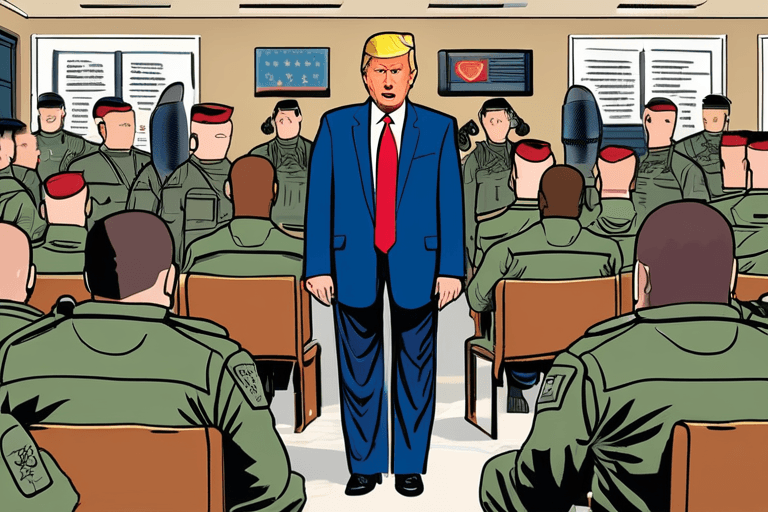
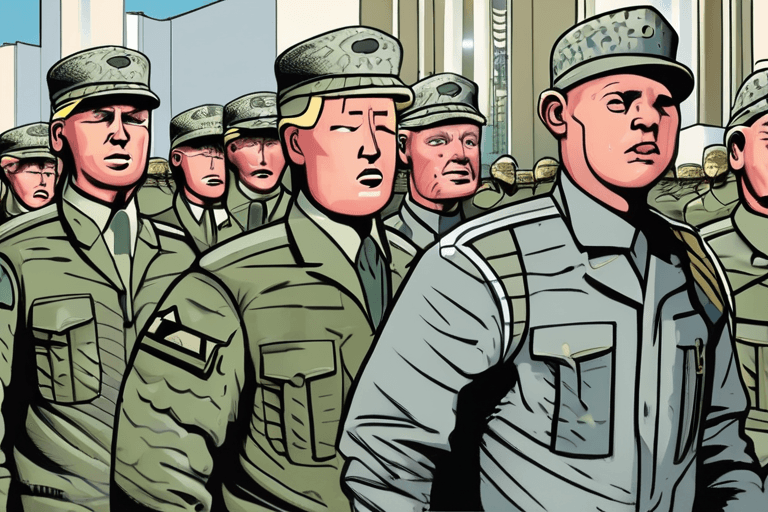
The deployments in Chicago and Portland faced legal roadblocks, with courts issuing injunctions against the federal government's actions. National Guard members had already departed California after a U.S. District Court judge strongly criticized the deployment. The Supreme Court recently denied the administration's emergency appeal to deploy troops to Chicago, marking the first time the high court intervened in the matter. While the Supreme Court's ruling was not precedent-setting, it signaled a significant check on the executive branch's authority to deploy federal forces within U.S. states.
The debate over federal troop deployments in U.S. cities has drawn international scrutiny, particularly in light of similar debates in other nations regarding the role of the military in domestic law enforcement. In many countries, the deployment of military forces for internal security purposes is viewed with caution, often requiring specific legal authorization and subject to strict limitations to safeguard civil liberties and prevent the militarization of civilian life. The use of federal troops in U.S. cities has been criticized by some as an overreach of federal power and a violation of states' rights, echoing concerns raised in other federal systems around the world, such as in Germany or India, where the division of powers between the central government and regional states is a sensitive issue.
The situation also highlights the ongoing political polarization within the United States, with disagreements between the federal government and local authorities reflecting broader ideological divides. The mayors of Chicago, Los Angeles, and Portland have consistently opposed the deployments, arguing that they are unnecessary and counterproductive, potentially escalating tensions and undermining community trust. This mirrors similar conflicts seen in other nations where central governments have clashed with local administrations over issues of law enforcement and public safety.
The decision to halt the deployments comes as the Trump administration faces increasing pressure to address rising crime rates in several major cities, while also navigating legal and political challenges to its approach. The future of federal involvement in local law enforcement remains uncertain, with potential implications for the balance of power between the federal government and individual states.


















Discussion
Join the conversation
Be the first to comment