Supply-chain attacks continued to plague organizations of all sizes in 2025, building on a trend highlighted in the previous year, security experts reported. These attacks, which involve compromising a single entity with numerous downstream users, such as a cloud service provider or a widely used software developer, allowed threat actors to potentially infect millions of targets.
One notable incident, originating in December 2024 but with ramifications extending into 2025, involved hackers exploiting vulnerabilities in the Solana blockchain. The attackers reportedly stole approximately $155,000 from thousands of smart-contract users. Security analysts attributed the success of these attacks to the increasing complexity of modern software supply chains and the reliance on third-party components.
"The interconnectedness of systems, while offering benefits like efficiency and scalability, also creates a larger attack surface," explained Dr. Anya Sharma, a cybersecurity researcher at the Institute for Digital Security. "Compromising one weak link can have cascading effects across the entire chain."
The rise of artificial intelligence (AI) in software development and cloud infrastructure also presented new challenges. While AI offered the potential to automate security tasks and detect anomalies, it also created opportunities for attackers to exploit AI systems themselves. For instance, machine learning models used for security could be poisoned with malicious data, leading them to misclassify threats or even actively aid attackers.
The cloud, intended to provide scalable and secure infrastructure, became a frequent target. Misconfigurations in cloud environments, coupled with vulnerabilities in cloud-based applications, allowed attackers to gain access to sensitive data and systems. Experts warned that organizations needed to adopt a "security-first" approach to cloud adoption, prioritizing security measures throughout the entire cloud lifecycle.
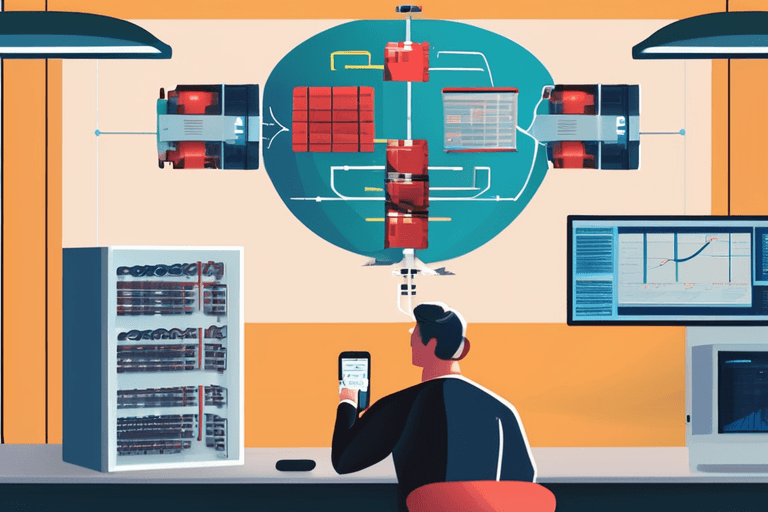
Despite the numerous failures, one area showed promise: the use of AI-powered threat intelligence platforms. These platforms, which analyze vast amounts of data to identify emerging threats and vulnerabilities, helped organizations proactively defend against attacks. Several companies reported successfully using these platforms to detect and prevent supply-chain attacks before they could cause significant damage.
The long-term implications of these trends are significant. As supply chains become more complex and AI becomes more integrated into critical infrastructure, the potential for large-scale disruptions and data breaches increases. Organizations must invest in robust security measures, including supply-chain risk management, AI security, and cloud security, to mitigate these risks. The focus moving forward, according to industry leaders, will be on proactive threat hunting and improved collaboration between organizations to share threat intelligence and best practices.













Discussion
Join the conversation
Be the first to comment