Have you ever felt velvetmist? It’s a complex and subtle emotion, a delicate blend of comfort, serenity, and the sensation of gently floating. Imagine a peacefulness that's more fleeting and intangible than simple contentment, perhaps triggered by a breathtaking sunset or a melancholic, low-key album. If the term is unfamiliar, you're not alone. Velvetmist is a "neo-emotion," coined by a Reddit user named noahjeadie with the help of ChatGPT, complete with instructions on how to cultivate the feeling. Essential oils and the right soundtrack, and you too can apparently feel like a soft, fuzzy, draping ghost floating through a lavender suburb.
While it might sound like a whimsical internet creation, velvetmist represents something significant. Researchers are observing a surge of these newly minted emotions online, reflecting evolving dimensions of human feeling. A journal article published in July 2025 highlighted velvetmist as a prime example of this phenomenon. But the vast majority of neo-emotions aren't the product of AI. They spring from the human experience, signaling a profound shift in how we understand and define our emotional landscape. We are, it seems, constantly crafting new feelings to navigate an ever-changing world.
The sociological implications are vast. For decades, emotional research focused on a core set of "basic" emotions: happiness, sadness, anger, fear, surprise, and disgust. These were considered universal, hardwired into our brains. However, this view is increasingly challenged by the emergence of neo-emotions. These feelings, often complex and nuanced, reflect the intricacies of modern life, shaped by technology, social media, and a rapidly globalizing world.
Consider the feeling of "digital fatigue," a weariness stemming from constant connectivity and information overload. Or "eco-anxiety," the distress caused by environmental concerns and climate change. These emotions, while not formally recognized in traditional psychology, are undeniably real and deeply felt by many. They highlight the limitations of a fixed set of emotional categories and the need for a more fluid and adaptable understanding of human feeling.
"We're seeing a democratization of emotion," explains Dr. Anya Sharma, a leading researcher in affective computing. "People are no longer content with the limited vocabulary provided by traditional emotion models. They're actively creating new terms to describe their unique experiences." This process is often facilitated by online communities, where individuals can share their feelings, find validation, and collectively refine the definition of a neo-emotion.
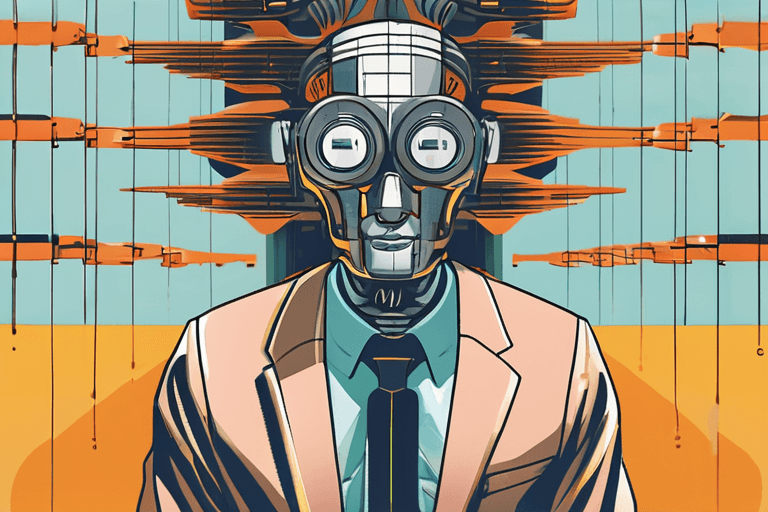
AI plays a crucial role in both identifying and understanding these emerging emotions. Natural Language Processing (NLP) algorithms can analyze vast amounts of text data from social media, forums, and online articles to detect patterns and trends in emotional expression. Machine learning models can then be trained to recognize and classify these neo-emotions, providing valuable insights into the evolving human experience.
However, the rise of neo-emotions also raises important questions. Are these new feelings simply variations of existing emotions, or do they represent genuinely novel experiences? How do these emotions impact our mental health and well-being? And what are the ethical implications of using AI to analyze and potentially manipulate human emotions?
The answers to these questions are still unfolding. But one thing is clear: the invention of new emotions is not just a quirky internet trend. It's a reflection of our innate human capacity for creativity, adaptation, and a deep desire to make sense of our ever-changing world. As we continue to navigate the complexities of the 21st century, the ability to articulate and understand our emotions, both old and new, will be more crucial than ever. And perhaps, just perhaps, velvetmist will one day find its place alongside happiness and sadness in the lexicon of human feeling.









Discussion
Join the conversation
Be the first to comment