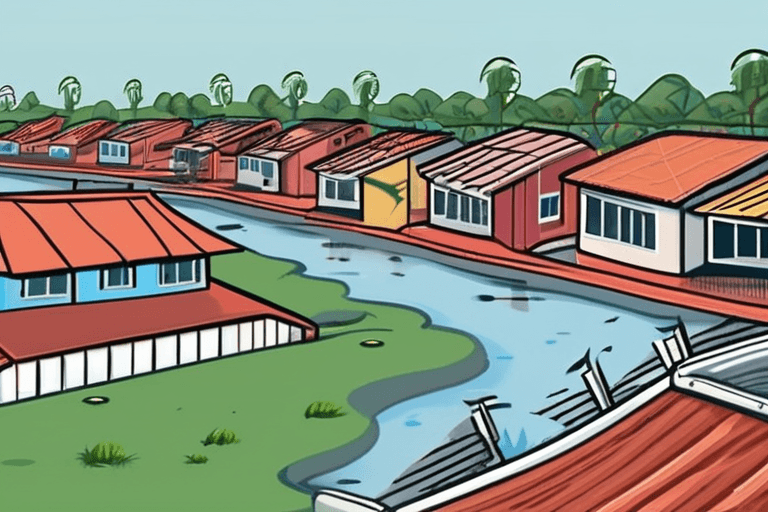
Flash floods in Aceh Province, Indonesia, in November 2025 have left communities struggling with a slow recovery, stirring anger and frustration among residents in the far-flung corners of the region. The disaster, characterized by a torrent of black water carrying debris, affected multiple villages across the province, leaving homes buried under logs, swept away by landslides, and washed into the sea.
In Sekumur village, Fauzi recounted the devastation, stating, "My house is buried under these logs," referring to a 10-foot-high pile of timber deposited by the floodwaters. Zulfikar, another survivor from a village 200 miles northwest of Sekumur, described the event as "doomsday," highlighting the intensity of the deluge. Further north, along the coast, Nur Hayati lamented the destruction, saying, "This is more devastating than the tsunami," referring to the Indian Ocean tsunami that struck the region two decades prior. She noted that even homes rebuilt after the tsunami were washed away.
The floods were triggered by unusually heavy rainfall, exacerbated by deforestation and inadequate infrastructure, according to local officials. The lack of proper drainage systems and the clearing of forests for agriculture and development contributed to the severity of the flooding, increasing the vulnerability of the communities. The affected areas are geographically isolated, hindering the delivery of aid and slowing down the recovery process. A police helicopter was used to deliver relief supplies to Babo village in December, illustrating the challenges in accessing the region.
The Indonesian government has pledged to provide assistance and rebuild infrastructure, but residents express concerns about the pace of the response. Critics argue that the government's disaster preparedness and mitigation efforts were insufficient, leaving communities ill-equipped to cope with the scale of the disaster. The slow recovery has led to widespread displacement, food shortages, and health concerns, particularly the spread of waterborne diseases.
Currently, relief efforts are ongoing, with government agencies and non-governmental organizations working to provide food, shelter, and medical assistance to the affected population. The focus is now shifting towards long-term reconstruction and rehabilitation, including the rebuilding of homes, infrastructure, and livelihoods. The government has announced plans to implement stricter environmental regulations and improve disaster preparedness measures to prevent similar disasters in the future. However, the success of these efforts will depend on effective implementation and community involvement.



















Discussion
Join the conversation
Be the first to comment