Artificial intelligence leaders are considering building data centers in space due to concerns about the increasing energy and land requirements of these facilities on Earth. The concept, once relegated to science fiction, is gaining traction as a potential solution to the escalating demands of AI computing.
Google announced in November its Project Suncatcher, a space data center initiative slated for test launches in 2027. Elon Musk stated at a recent conference that space data centers could become the most cost-effective method for training AI within five years. Support for the idea also comes from Jeff Bezos, founder of Amazon and Blue Origin; Sam Altman, CEO of OpenAI; and Jensen Huang, CEO of Nvidia.
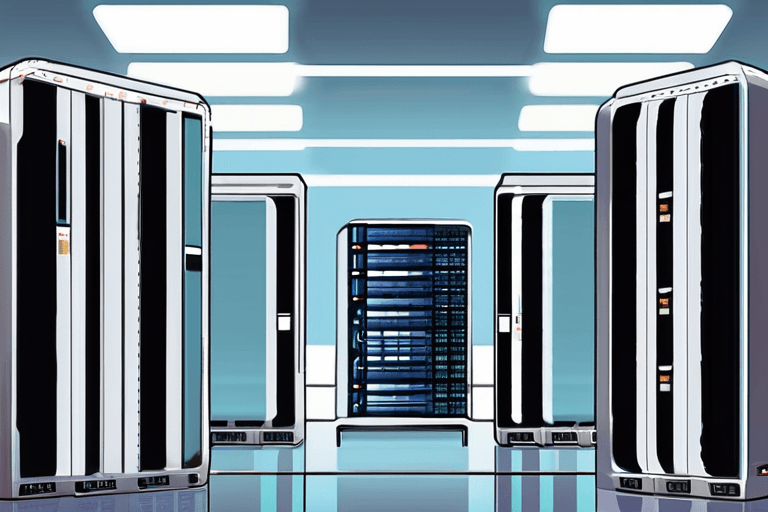
Data centers are the massive computing facilities that power AI, requiring vast amounts of electricity and physical space. As AI models grow in complexity, so does the demand for these resources. The concern is that Earth may not be able to sustainably support the continued expansion of data centers. Building these facilities in space could alleviate these pressures by tapping into the abundant solar energy available and utilizing the vacuum of space for cooling.
The implications of space-based data centers extend beyond resource management. They could potentially revolutionize data transmission speeds and reduce latency, enhancing the performance of AI applications. However, the endeavor also presents significant technological and economic challenges. The cost of launching and maintaining data centers in space is substantial, and ensuring their reliability in the harsh space environment is a major hurdle.
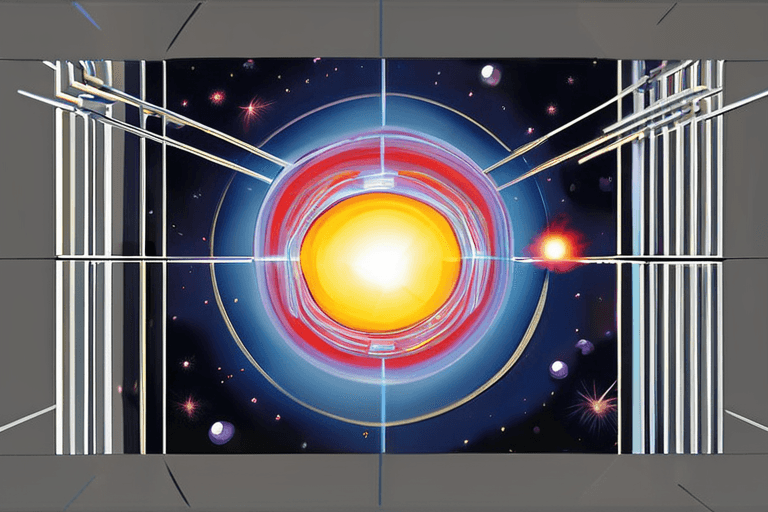
The concept also raises questions about the environmental impact of space launches and the potential for space debris. Furthermore, the visibility of these data centers in the night sky, as envisioned by some proponents, could raise concerns about light pollution and the aesthetic impact on astronomical observations.
Project Suncatcher's planned test launches in 2027 represent a crucial step in assessing the feasibility of space-based data centers. The project aims to evaluate the performance of computing hardware in space and to develop efficient cooling systems. The success of these early tests will likely determine the future trajectory of this ambitious endeavor.

















Discussion
Join the conversation
Be the first to comment