A newly discovered hilltop settlement in County Wicklow could rewrite the history books, potentially dethroning the Vikings as the first town builders in Ireland, according to researcher Dr. Dirk Brandherm. The Brusselstown Ring, located on the southwestern edge of the Wicklow Mountains, boasts over 600 suspected houses, making it the largest nucleated settlement ever unearthed in prehistoric Britain and Ireland, a record previously held by settlements of the Viking era.
Dr. Brandherm and his team, including PhD researcher Cherie Edwards and research fellow Dr. Linda Boutoille, recently completed an excavation at the site, publishing their findings and igniting a debate among historians. Edwards, who played a key role in the dig, stated the settlement likely emerged around 1200 BC, during the Late Bronze Age, a period long before the Viking arrival in Ireland. This is like finding out a rookie quarterback from a small college just broke Tom Brady's passing record from his high school days.
The Brusselstown Ring is part of the Baltinglass Hillfort Cluster, a collection of 13 large hilltop enclosures scattered across the Wicklow Mountains. These enclosures contain structures dating back even further, to the Neolithic period and Early Bronze Age. This cluster is like a super team of ancient settlements, each with its own unique strengths and history.
"This discovery challenges the long-held belief that the Vikings were the first to establish urban centers in Ireland," Dr. Brandherm explained. "It suggests that sophisticated, large-scale settlements existed in Ireland centuries before the Viking Age."
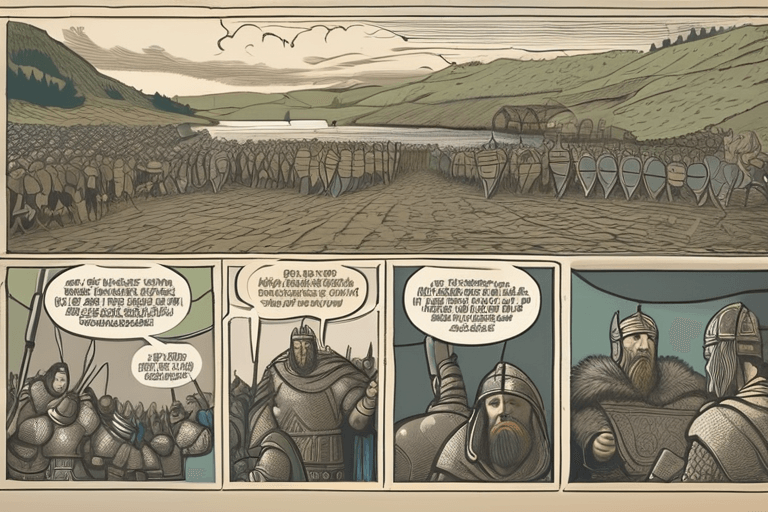
The Vikings, often credited with founding towns like Dublin, Waterford, and Wexford in the 9th and 10th centuries AD, have long been considered the pioneers of Irish urban development. This new evidence suggests a pre-Viking society capable of organizing and constructing a substantial settlement, potentially changing our understanding of Irish history. It's like finding out that a team you thought was a dynasty was actually built on the shoulders of a forgotten predecessor.
The excavation, which took place between August 23rd and September 4th, focused on understanding the layout and function of the settlement. Further research is planned to determine the exact nature of the structures and the lives of the people who inhabited the Brusselstown Ring. The team hopes to uncover more artifacts and evidence that will shed light on this fascinating period of Irish history. The next phase of research is like the playoffs, where the team will face its toughest challenges yet.












Discussion
Join the conversation
Be the first to comment