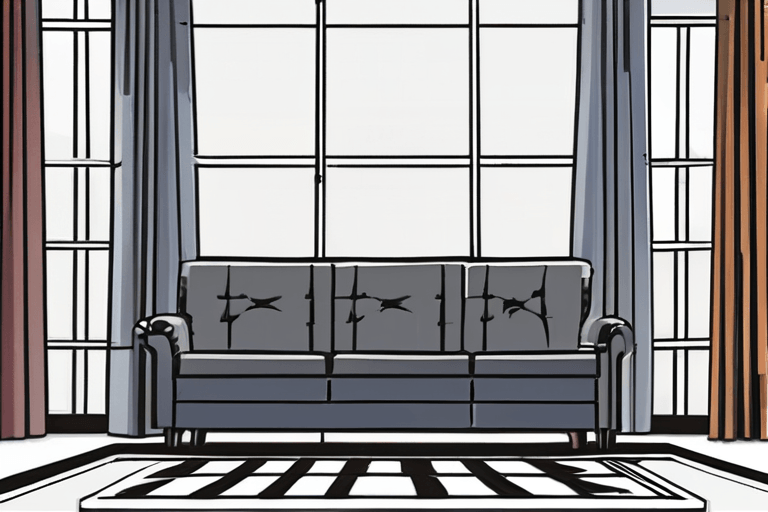
United States President Donald Trump delayed the implementation of increased tariffs on upholstered furniture, kitchen cabinets, and vanities for one year, citing growing concerns over cost-of-living issues. Trump signed the order on Wednesday night, New Year's Eve, pausing a planned 50 percent tariff on cabinets and vanities and a 30 percent tariff on upholstered furniture. The order maintained the existing 25 percent tariff that Trump initially imposed on these products in September.
The decision to postpone the tariff hike comes amid increasing anxiety about the economic burden on American consumers. While the White House has not released specific data supporting the cost-of-living concerns, economists have pointed to rising inflation rates and stagnant wage growth as potential factors. The tariffs, if implemented as originally planned, would have significantly increased the price of these goods, potentially impacting lower and middle-income households disproportionately.
President Trump had previously defended the furniture tariffs as a measure to strengthen American industry and safeguard national security. He argued that these tariffs would incentivize domestic production and reduce reliance on foreign suppliers, particularly China, which is a major exporter of furniture and cabinet products to the United States. However, critics contended that the tariffs would ultimately harm American businesses that rely on imported components and materials, as well as consumers who would face higher prices.
The initial 25 percent tariffs, implemented in September, were already met with mixed reactions from industry stakeholders. Some domestic manufacturers welcomed the protectionist measures, while retailers and importers expressed concerns about the potential negative impact on sales and profitability. The paused tariff hike provides a temporary reprieve for these businesses, but uncertainty remains regarding the long-term trade policy.
The one-year delay allows the administration time to further assess the economic impact of the existing tariffs and to potentially negotiate alternative trade arrangements with key trading partners. It also provides an opportunity for businesses to adjust their supply chains and sourcing strategies in anticipation of potential future tariff changes. The situation will continue to be monitored closely by industry analysts and policymakers as the US economy navigates a complex and evolving global trade landscape.











Discussion
Join the conversation
Be the first to comment