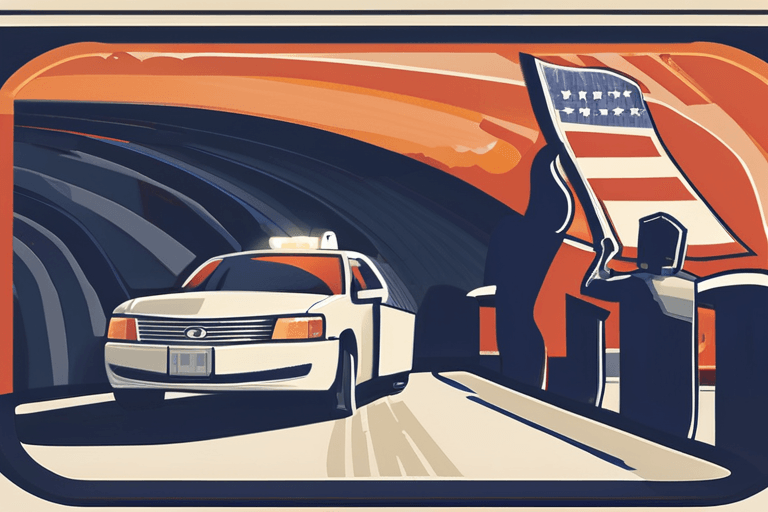
California's approximately 800,000 rideshare drivers gained the right to unionize beginning January 1, marking a significant shift in the landscape of gig economy labor rights. The new law, the result of a deal brokered by Democratic Gov. Gavin Newsom, brings together organized labor and major rideshare corporations like Uber and Lyft.
This development in California arrives amidst a broader national conversation about the evolving nature of work and the rights of independent contractors. The ability for rideshare drivers to collectively bargain could potentially reshape the power dynamics within the industry, offering drivers a stronger voice in negotiating wages, benefits, and working conditions.
Across the country, states are grappling with the impact of technology on society, particularly concerning social media's influence on younger generations. In Virginia, a new law designed to limit social media use by children under 16 to one hour per day also took effect January 1. This law, however, faces a legal challenge, highlighting the complex legal and ethical considerations surrounding online regulation and freedom of speech. The Virginia law reflects a growing concern about the potential negative impacts of excessive social media consumption on children's mental health and development.
These new laws in California and Virginia are just two examples of a wave of state-level legislation addressing contemporary issues ranging from artificial intelligence regulation to restrictions on gender-affirming care. As these laws are implemented and tested, they will likely spark further debate and shape the future of policy across the nation.
















Discussion
Join the conversation
Be the first to comment