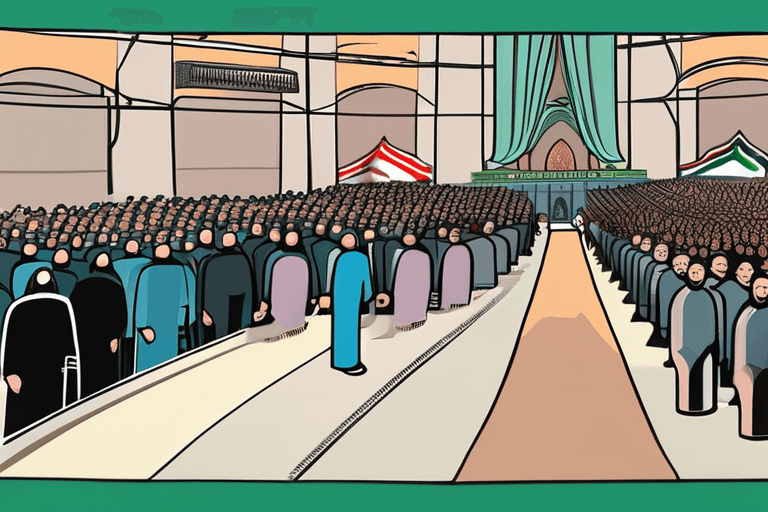
Iran faces escalating protests fueled by a severe economic crisis. Thousands have taken to the streets across the country. The demonstrations began recently, driven by a sharp decline in the currency's value and soaring inflation.
The Iranian government acknowledged the public's grievances. They proposed a dialogue mechanism to address the issues. Ali Akbar Dareini, a researcher at the Center for Strategic Studies, and Marzie Khalilian, a political analyst, are closely monitoring the situation. Stephen Zunes, a professor of politics, provides additional context.
The immediate impact includes increased pressure on the government to find solutions. Longstanding sanctions have significantly weakened Iran's economy. The leadership's ability to offer tangible relief remains uncertain.
Iran's economy has been struggling for years under international sanctions. These sanctions have limited its access to global markets. This situation has contributed to the current economic instability.
The future hinges on the government's response to the protests and its ability to address the economic concerns. Escalation of the protests could lead to further instability. The proposed dialogue's success is crucial.











Discussion
Join the conversation
Be the first to comment